
 h2>The short answer: can Singulair and Zyrtec be taken together?
In current US labeling, Singulair and Zyrtec are not identified as a direct drug interaction with each other. Singulair is the brand name for montelukast, a prescription leukotriene-receptor antagonist. Zyrtec products generally contain cetirizine, an H1 antihistamine. Because they are different medicines with different actions, they may be used together when a clinician determines that both are appropriate.
That does not mean the combination is risk-free or right for every person. A medicine being absent from another medicine's interaction section does not prove there is no possible problem in an individual patient, especially when other prescriptions, over-the-counter products, alcohol, sedatives, medical conditions, or multi-ingredient allergy products are involved.
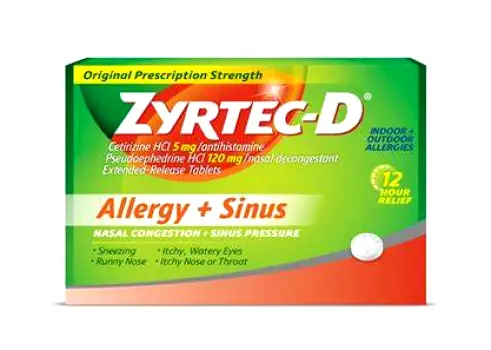
Check active ingredients, not just brand names. Some allergy products are sold as brand extensions or combination products, and the ingredients may differ from the plain cetirizine product a person expects. If you are taking prescription montelukast, follow the prescription directions and ask a pharmacist or clinician before adding or changing allergy medicines.
How Singulair and Zyrtec differ
Singulair and Zyrtec are not the same type of allergy medicine. Singulair contains montelukast, which is a leukotriene-receptor antagonist. Leukotrienes are inflammatory signaling molecules involved in allergic and asthma-related airway responses. Montelukast works by blocking leukotriene receptors.
Zyrtec products generally contain cetirizine, an H1-receptor antagonist, commonly called an antihistamine. Cetirizine works on the histamine pathway, which is involved in symptoms such as sneezing, itching, and runny nose during allergic reactions.
This difference in mechanism is one reason the two medicines may appear in the same allergy treatment plan. They target different pathways rather than duplicating the same drug class. Different mechanisms do not automatically make a combination safer, better, or necessary. Each medicine still has its own directions, warnings, and reasons it may or may not be suitable for a particular person.
Montelukast also has roles beyond allergic rhinitis. In US labeling, it is used for asthma prophylaxis and chronic treatment, prevention of exercise-induced bronchoconstriction, and relief of allergic-rhinitis symptoms in specified age groups. Its role in allergic rhinitis is limited by important safety concerns, which is why it should not be treated as just another routine antihistamine option.
Why both medicines may be used for allergy symptoms
A clinician may use montelukast and cetirizine together because they affect different allergy-related pathways. Cetirizine addresses histamine-mediated symptoms, while montelukast blocks leukotriene signaling. In selected patients, that difference can make it reasonable to include both in a plan.
The combination should not be viewed as automatically necessary or more effective for everyone with allergies. Many allergy treatment decisions depend on the symptoms being treated, previous response to other therapies, tolerability, age, formulation, other conditions, and other medicines being used.
Montelukast deserves particular caution when used for allergic rhinitis. US labeling states that because of serious neuropsychiatric risks, use for allergic rhinitis should be reserved for patients who have an inadequate response or intolerance to alternative therapies. That means the decision to use montelukast for allergy symptoms should involve a clear reason, not simply the assumption that adding another allergy medicine is harmless.
Asthma is a separate context. Montelukast is labeled for asthma prophylaxis and chronic treatment, but it is not rescue medicine. It should not be used to reverse bronchospasm during an acute asthma attack, and it must not be abruptly substituted for inhaled or oral corticosteroids. People with asthma should use their prescribed rescue plan for acute symptoms.
Montelukast (Singulair) and Cetirizine (Zyrtec) Use Check
Can they be taken at the same time?
Neither the reviewed US Singulair prescribing information nor US cetirizine labeling specifies that montelukast and cetirizine must be separated by a particular interval. The labels also do not provide one universal combined schedule for people taking both.
The safest practical approach is to follow the montelukast prescription exactly and follow the applicable cetirizine product label or clinician instructions. Do not create a combined schedule by assuming the medicines must be taken together, must be separated, or should be timed in a specific way for everyone.
A universal timing recommendation would be misleading because appropriate use can depend on the reason each medicine is being used, the person's age, the formulation, and other health factors. Cetirizine labeling also directs people with liver or kidney disease to ask a doctor before use, which is one example of why individualized review matters.
If the instructions on your prescription label, the cetirizine package, and your clinician's advice seem unclear or inconsistent, ask a pharmacist to review the exact products. This is especially useful when using multi-ingredient allergy medicines, since a product may contain more than plain cetirizine.
Side effects and warnings to consider
The main safety issues to consider are mostly tied to the individual medicines, not to a proven Singulair-Zyrtec interaction.
Cetirizine can cause drowsiness. Alcohol, sedatives, and tranquilizers may increase this effect. Until you know how cetirizine affects you, use caution with driving, operating machinery, or doing other tasks where sleepiness could be dangerous.
Montelukast carries an FDA boxed warning for serious neuropsychiatric events. Reported symptoms include agitation, depression, sleep disturbances, and suicidal thoughts or actions. These events have been reported in people with and without a previous psychiatric history, and some have been reported after discontinuation.
The Medication Guide directs patients to stop montelukast and contact a healthcare professional immediately if new neuropsychiatric symptoms or behavior changes occur. This warning belongs to montelukast itself; the available labeling does not establish that cetirizine causes or worsens montelukast-related neuropsychiatric events.
Montelukast also should not be treated as an acute asthma rescue medicine. If asthma symptoms suddenly worsen, the issue is not solved by taking montelukast and cetirizine together; the person should follow the prescribed rescue plan and seek urgent help when appropriate.
Who should check with a clinician before combining them
Some people should get pharmacist or clinician review before using Singulair and Zyrtec together, even though no direct interaction is listed in the reviewed US labels. This includes people with current or past mental-health symptoms, because montelukast has a boxed warning for serious neuropsychiatric events and requires careful risk-benefit discussion.
People with liver or kidney disease should also ask a doctor before using cetirizine, as directed by OTC cetirizine labeling. Children, pregnant or breastfeeding people, and anyone taking other prescription or over-the-counter medicines should also have the full medication list reviewed rather than relying on a general interaction answer.
Review is especially important if alcohol, sedatives, tranquilizers, sleep medicines, or other products that can cause drowsiness are involved, because cetirizine-related sleepiness may be increased. Multi-ingredient allergy, cold, or sleep products also deserve careful checking so that ingredients are not duplicated or misunderstood.
A history of allergy to either medication or its ingredients changes the answer. Hypersensitivity to montelukast or its ingredients is a labeled contraindication. Cetirizine OTC labeling says not to use it after an allergic reaction to cetirizine, any ingredient in the product, or hydroxyzine.
When to seek medical help
Seek emergency care for symptoms of a serious allergic reaction, such as trouble breathing, swelling of the face or throat, or other rapidly worsening symptoms. Do not continue taking a product that previously caused an allergic reaction to that medicine or its ingredients.
Contact a healthcare professional promptly if new mood, behavior, or sleep-related symptoms occur while taking montelukast. The Medication Guide specifically directs patients to stop montelukast and contact a healthcare professional immediately if new neuropsychiatric symptoms or behavior changes occur, including agitation, depression, sleep disturbances, or suicidal thoughts or actions.
If cetirizine causes excessive or function-limiting drowsiness, stop hazardous activities such as driving or operating machinery and ask a clinician or pharmacist for advice. Alcohol, sedatives, and tranquilizers can increase drowsiness, so those exposures should be part of the discussion.
For worsening asthma symptoms or an acute asthma attack, montelukast is not rescue medicine. Follow the prescribed rescue plan and obtain urgent help as appropriate. Montelukast should not be used to reverse bronchospasm during an acute asthma attack, and it should not be abruptly substituted for inhaled or oral corticosteroids.