
Can You Dissolve a Cyst Naturally? Safe Home Care Explained
Can a cyst dissolve naturally? Discover what home care can and cannot do, why DIY removal is risky, and when a clinician should treat or remove a cyst safely.
Explore information about skin, hair, and nail health, including common conditions, symptoms, treatments, prevention, and daily care.
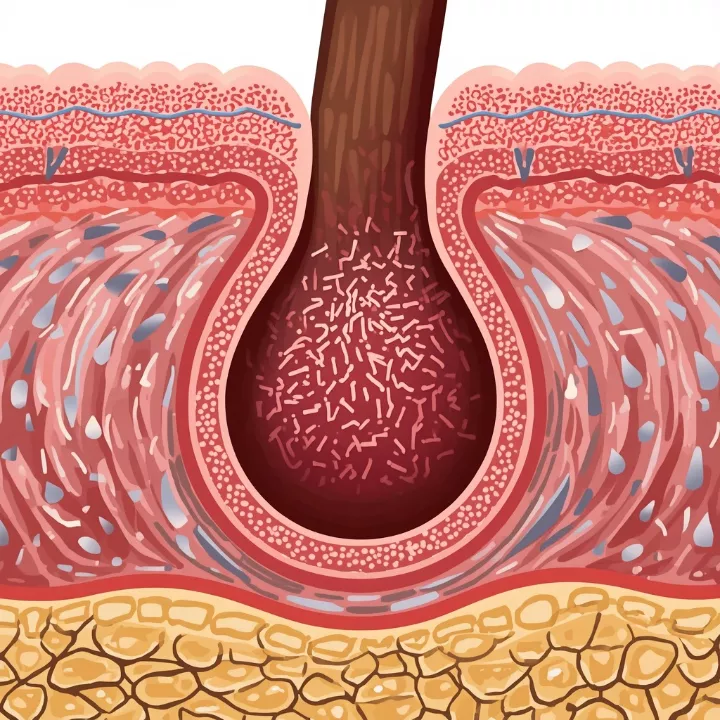
Can a cyst dissolve naturally? Discover what home care can and cannot do, why DIY removal is risky, and when a clinician should treat or remove a cyst safely.

Discover what dandruff typically looks like, how its flakes and scalp changes differ from dry scalp and other conditions, and when self-care or medical evaluation is appropriate.
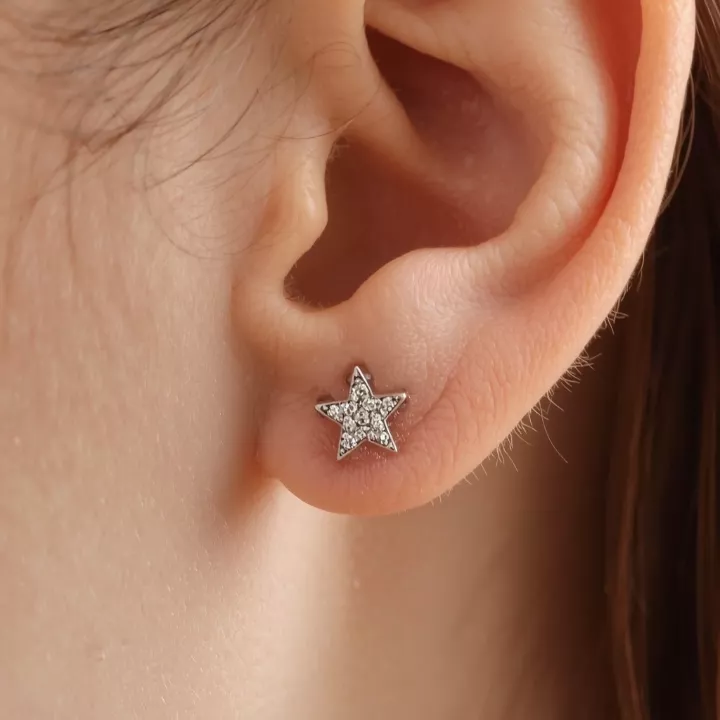
Discover what a dermal (single-point) piercing is, how its anchor-and-top design differs from surface piercings, what the procedure and healing involve, and how to weigh risks, aftercare, jewelry changes, and professional removal.
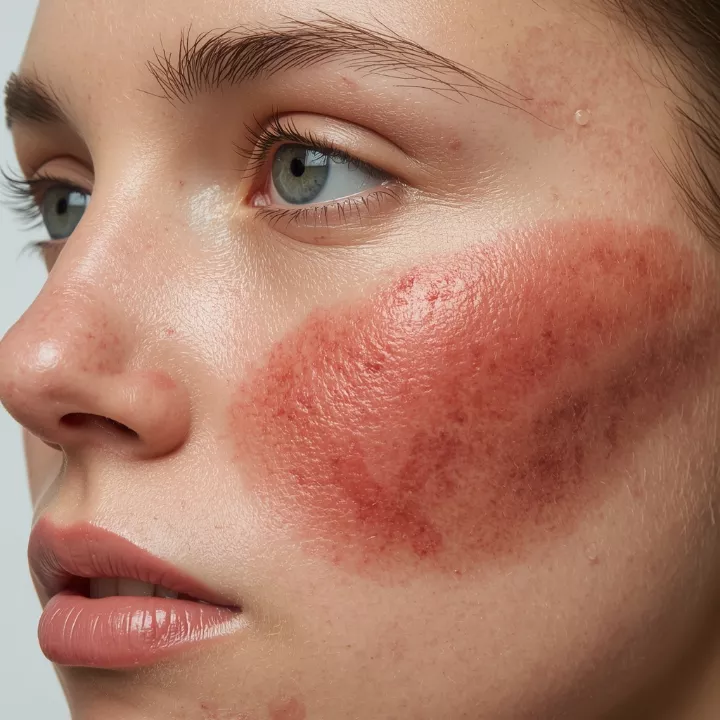
Itchy pimples may reflect irritation, dryness, an allergic reaction, or an acne look-alike. See the clues, safer skin-care steps, and reasons to seek help.
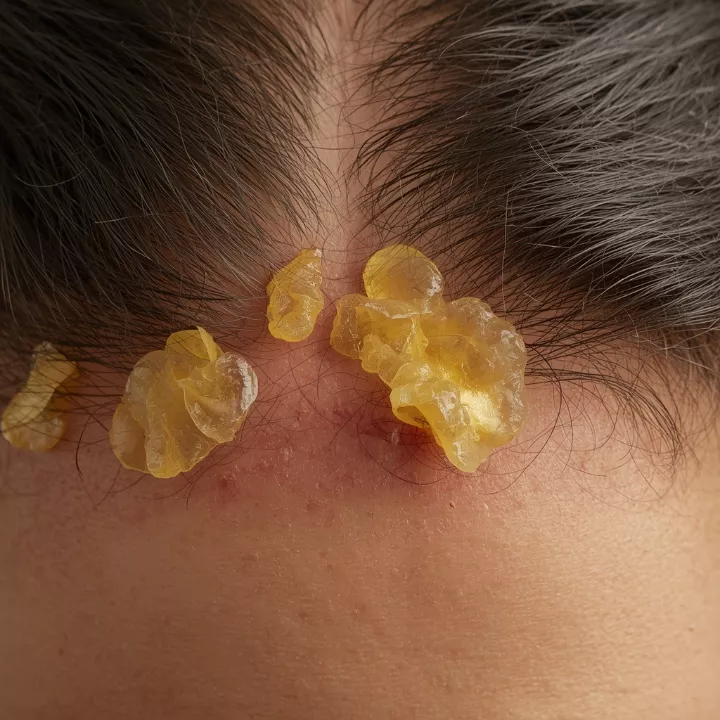
Dandruff and dry scalp can both itch and flake, but their causes and care differ. Compare scalp and flake clues, choose an appropriate first step, and recognize signs that need professional assessment.
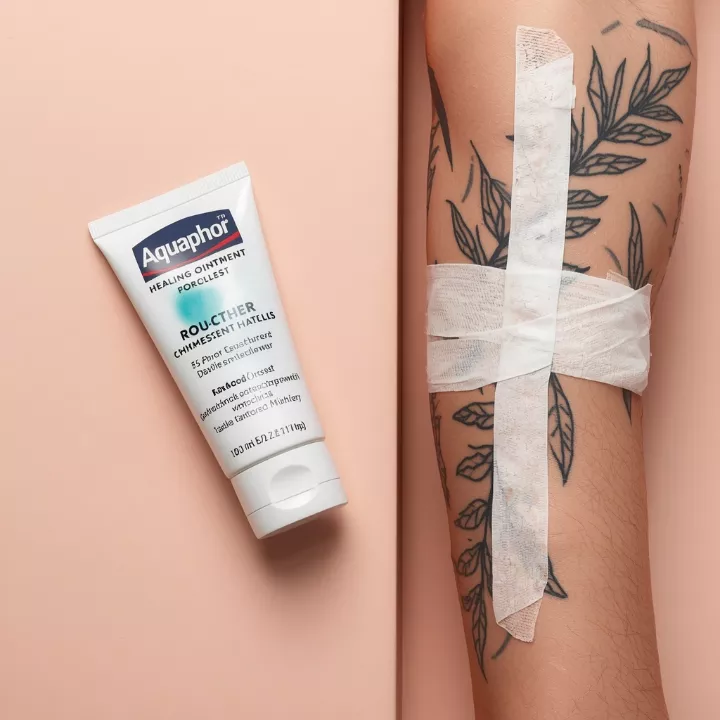
Aquaphor can protect a new tattoo from moisture loss, but product choice, application amount, skin reactions, and the artist’s dressing instructions matter. This brief explains appropriate use, limits, alternatives, and warning signs.
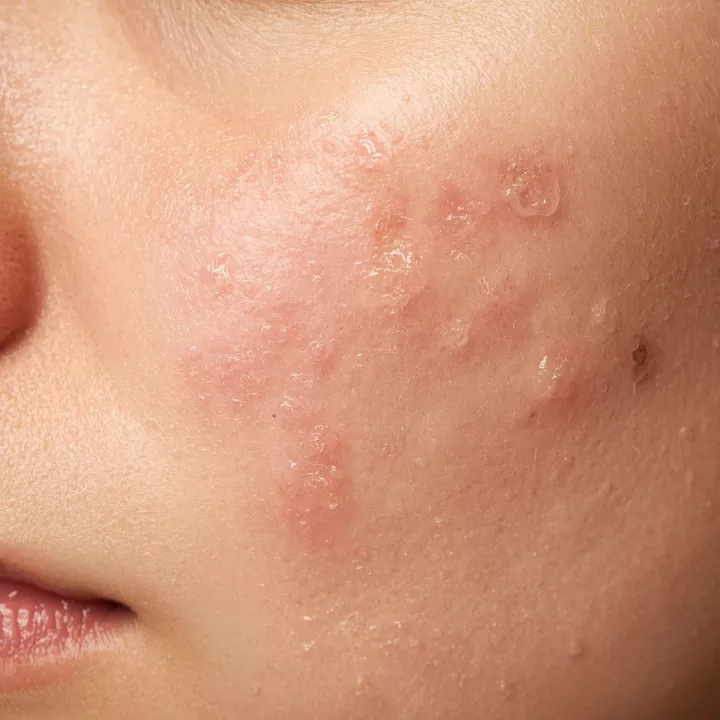
Skin purging is an informal, poorly studied explanation for acne-like changes after starting certain products. This guide separates possible adjustment from irritation or a breakout and explains when to reassess or seek care.
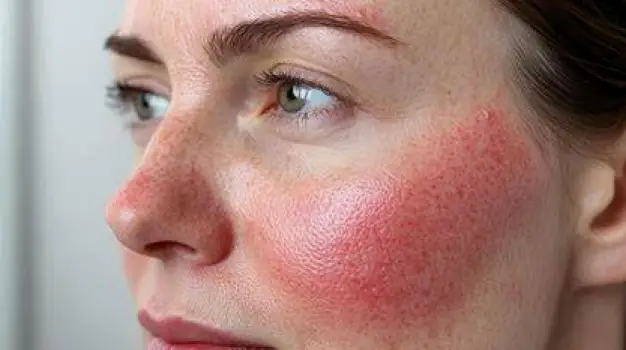
A UK-focused guide to choosing creams for rosacea, comparing gentle moisturisers, redness-correcting products and prescription options while clarifying which symptoms need professional assessment.
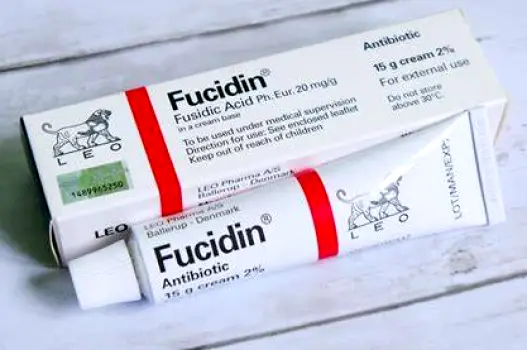
A practical guide to what Fucidin cream treats, what it cannot treat, how to apply it safely, expected response, side effects, resistance concerns, and when a skin problem needs professional review.
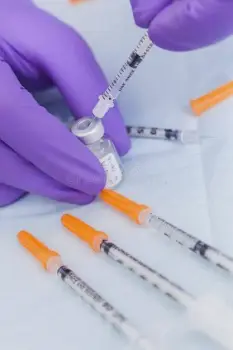
A practical U.S. guide to Botox pricing, including the national cost benchmark, per-unit versus per-area quotes, factors that change the total, insurance considerations, and how to compare providers safely.
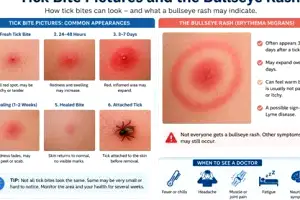
A practical guide to the usual appearance and progression of a tick bite, how a small local reaction differs from an expanding Lyme rash, and which skin or whole-body changes warrant medical attention.
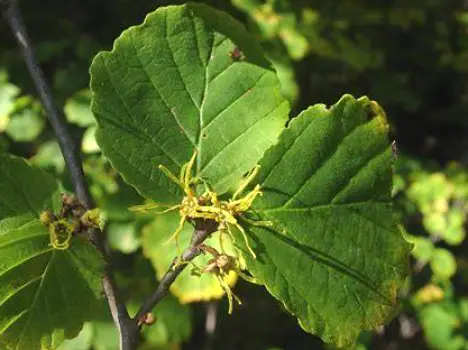
A practical, evidence-aware guide to witch hazel in skincare: what it may do for oiliness, pores and irritation, why formulas differ, where research is limited, and how to judge whether it suits your skin.
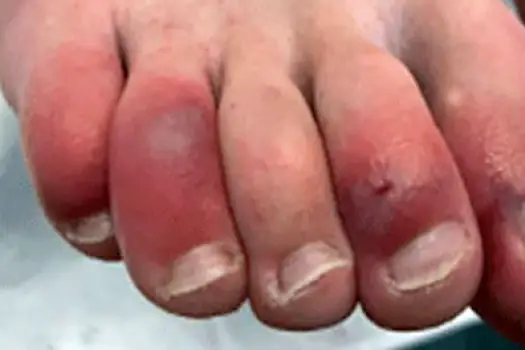
COVID-19 can be associated with hives, measles-like patches, small blisters, pinpoint spots, lacy discoloration, and swollen toes. This guide explains the patterns, timing, diagnostic limits, and warning signs that need medical attention.
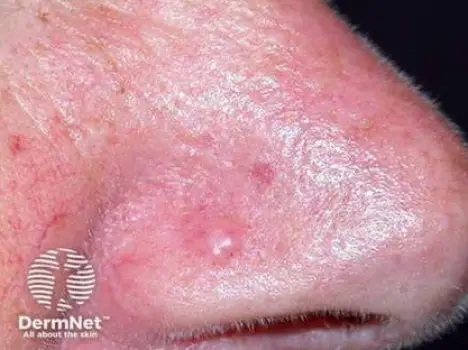
A practical guide to persistent nose bumps that do not behave like acne, including common look-alikes, distinguishing clues, safe next steps, and changes that warrant assessment by a dermatologist.
An evidence-focused guide to castor oil for eczema, explaining its possible moisturizing role, the lack of direct treatment evidence, allergy and irritation risks, cautious trial considerations, and better-supported care options.
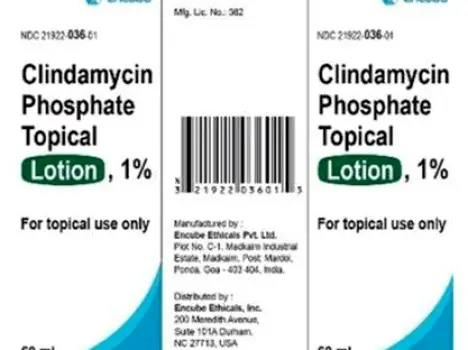
A practical, evidence-based guide to prescription clindamycin lotion for acne, covering how it works, correct application, realistic results, antibiotic resistance, side effects, precautions, and when treatment needs reassessment.
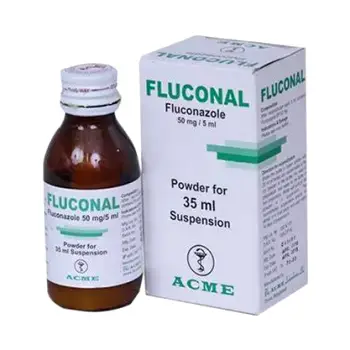
A diagnosis-first guide to fluconazole dosing for suspected skin fungal infections, explaining why regimens vary, what affects a prescription, and how to take a prescribed course safely.
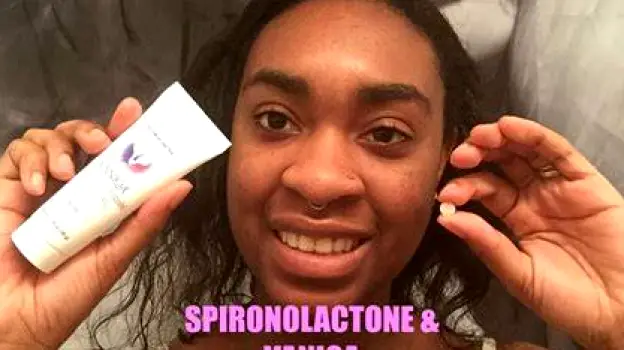
An evidence-focused guide to topical spironolactone for acne, explaining how it may work, what limited clinical research found, how it differs from oral treatment, and which safety and access questions remain unresolved.
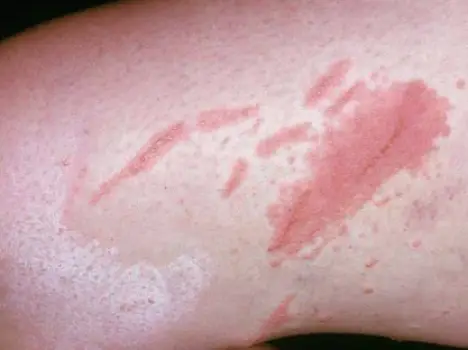
Identify the typical appearance and stages of a poison ivy rash, understand why new patches may appear, compare common look-alikes, and recognize when symptoms need medical care.
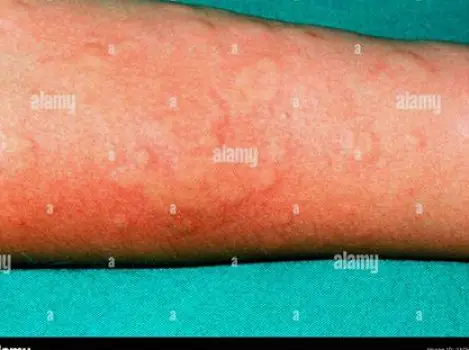
A practical guide to identifying hive-like bumps on the arm, assessing whether stress may be a trigger, considering other common causes, finding safe symptom relief, and recognizing signs that require medical care.
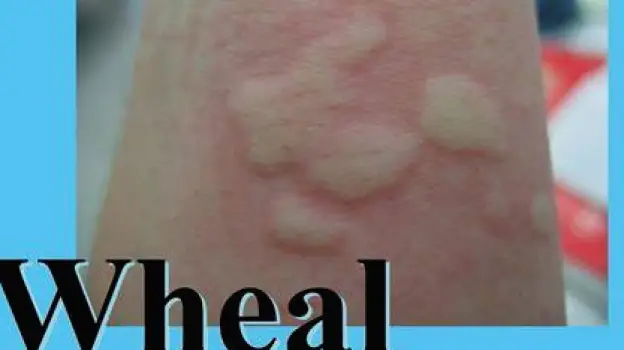
A practical guide to recognizing a possible anxiety or stress rash by its raised, itchy appearance and timing, while distinguishing look-alike conditions, avoiding self-diagnosis, and identifying urgent warning signs.
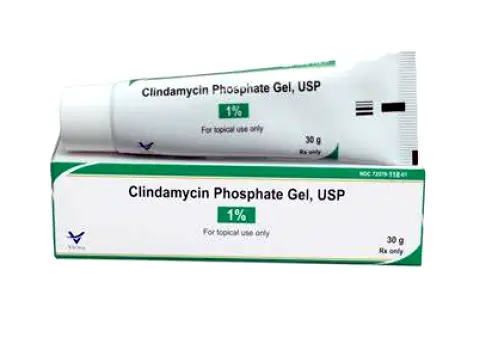
A practical, safety-focused guide to applying topical clindamycin for acne, combining it appropriately to limit antibiotic resistance, managing irritation, handling missed doses, and knowing when to contact a clinician.
Benadryl may ease some histamine-related itching, but the answer depends on the cause and product form. Understand appropriate uses, limitations, drowsiness risks, safer alternatives, and signs that require medical care.
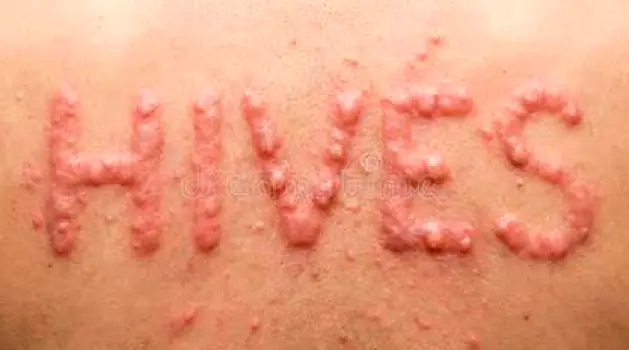
A practical guide to the different rashes linked to ibuprofen, including hives, fixed drug eruptions and dangerous blistering reactions, with clear clues for recognizing an emergency and seeking appropriate care.
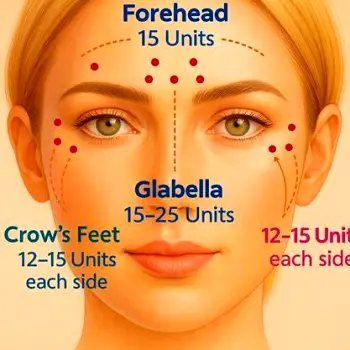
Get a realistic Botox cost estimate by understanding average treatment prices, per-unit versus per-area billing, treatment-area costs, regional variation, recurring maintenance, insurance coverage, and how to compare providers safely.
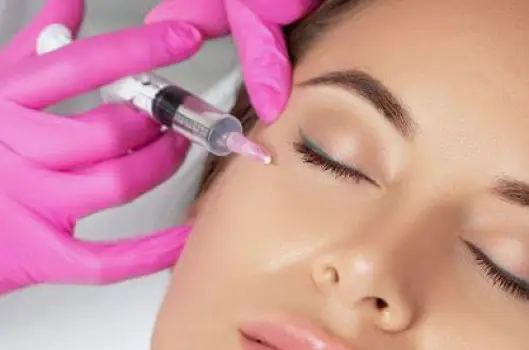
Find out when U.S. health insurance may cover Botox, why cosmetic injections are usually excluded, how medical necessity and prior authorization affect approval, what costs to verify, and what to do after a denial.
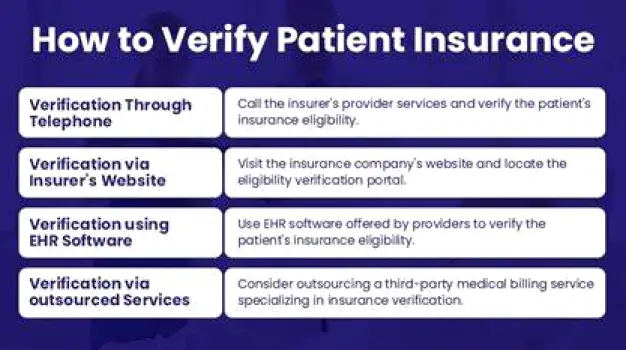
Find out when insurance may cover Botox for TMJ, why approval is often uncertain, what medical-necessity documentation may help, and how to verify benefits, prior authorization, costs, and appeal options.

Understand typical mole-removal prices, what affects the final bill, when insurance may help, and how procedure choice, pathology, provider expertise, and follow-up costs change what you pay.
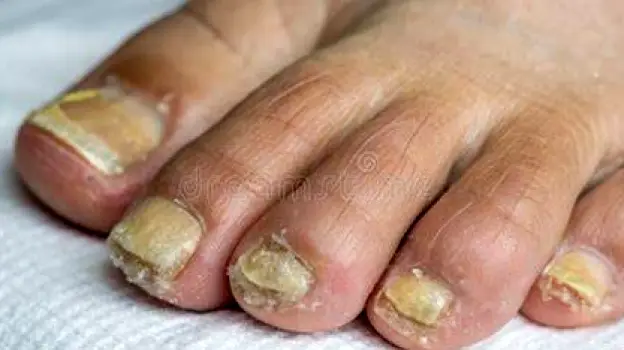
Nail psoriasis and fungus can both cause thick, discolored, lifting nails. Compare the more suggestive signs, understand why appearance alone is not enough, and see how testing helps guide the right treatment.
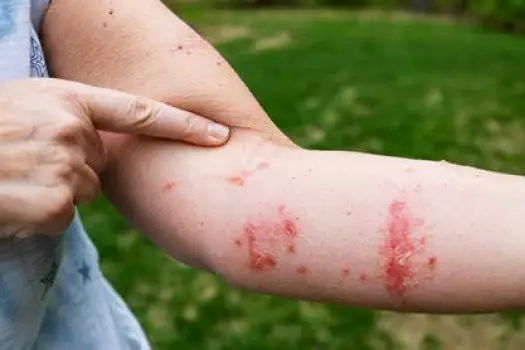
A practical guide to recognizing poison ivy rash by its pattern, color, itching, blisters, and stages. Compare it with similar rashes, understand why it may seem to spread, and know when medical care is needed.
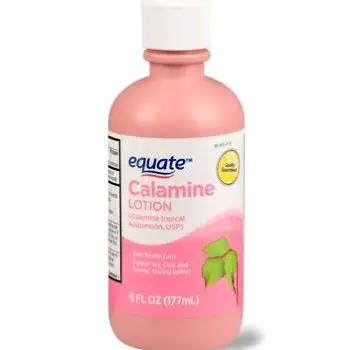
A practical, safety-focused guide to calamine lotion for mild itchy or oozing skin irritation, including what it can relieve, what it cannot treat, correct application, product differences, and signs that need medical care.
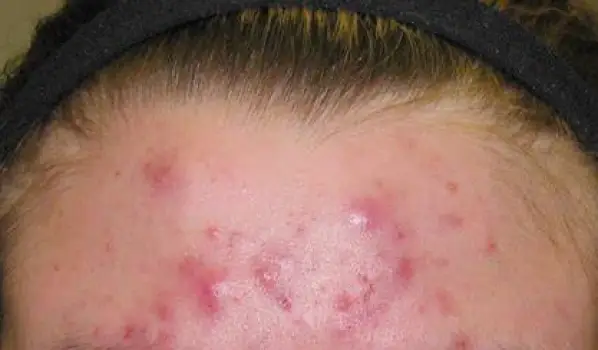
How long topical clindamycin is generally used for acne, when improvement may appear, why treatment is reviewed around 12 weeks, and how combination therapy and antibiotic resistance affect duration.
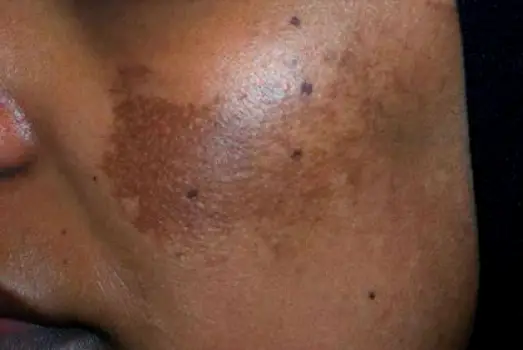
A practical, safety-focused guide to prescription hydroquinone cream for dark spots and hyperpigmentation, covering how it works, realistic limits, U.S. availability, adverse effects, sun protection, and when to seek dermatologic care.
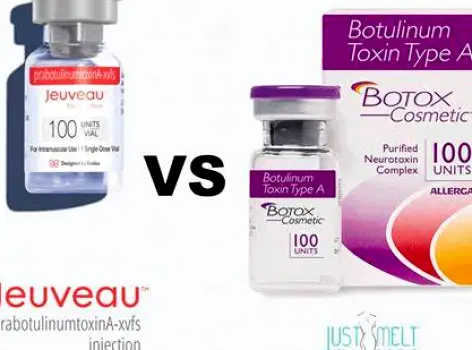
Botox insurance coverage depends on why it is prescribed, the specific health plan, and its approval requirements. See how medical and cosmetic uses differ, what to verify, how to estimate costs, and what options remain after a denial.
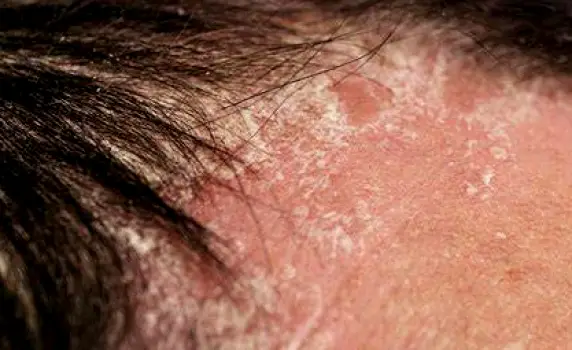
Facial scaling or discoloration in someone with psoriatic arthritis may be psoriasis, but several conditions can look similar. This guide explains likely features, diagnostic limits, treatment context, and when to seek care.
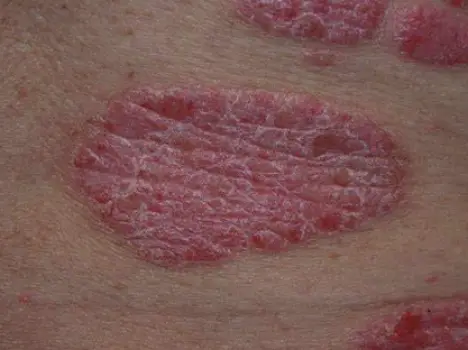
A practical guide to what an unexplained neck rash may—and may not—suggest about autoimmune disease, including relevant rash patterns, common look-alikes, associated symptoms, clinical evaluation, and reasons to seek prompt care.

An evidence-based guide to oils for eczema-prone skin, comparing coconut, sunflower, olive and essential oils while explaining realistic benefits, irritation risks and how oils fit into proper moisturizing care.
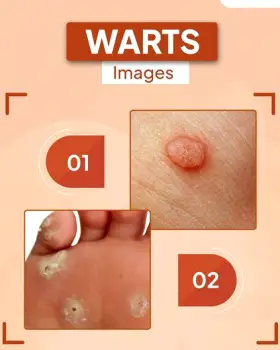
A practical guide to identifying wart-like bumps on the legs by texture, shape, color, and distribution, with common look-alikes, safe next steps, and signs that require medical assessment.
Understand when U.S. health insurance may cover professional skin tag removal, why cosmetic procedures are usually excluded, what evidence a plan may require, and how to verify benefits and likely costs before treatment.
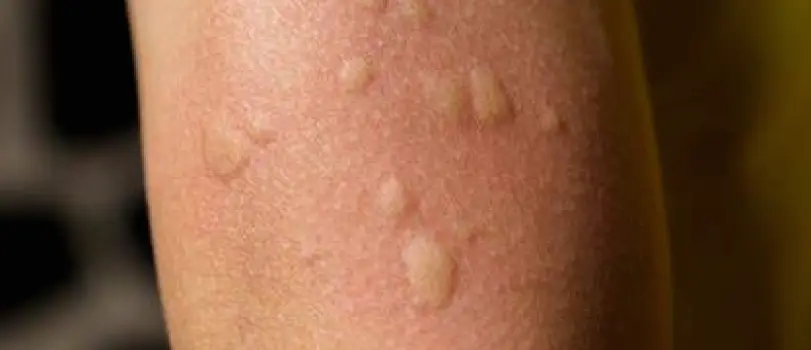
A practical guide to a small wrist rash during stress: how hives usually behave, why wrist-only irritation may have another cause, safe symptom relief, warning signs, and when to seek medical care.