
How Much Cetirizine Can You Take in 24 Hours?
Find the labeled 24-hour cetirizine limit, how it changes by age and product, and why higher doses for chronic hives require clinical supervision.
Learn about allergic reactions, common triggers, symptoms, testing, treatments, and ways to manage and prevent allergies.

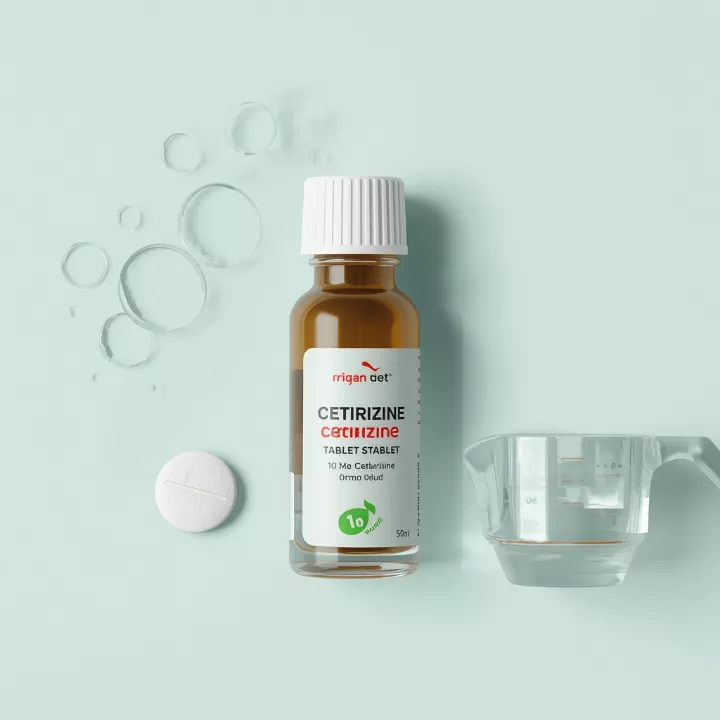
Find the labeled 24-hour cetirizine limit, how it changes by age and product, and why higher doses for chronic hives require clinical supervision.

Compare UK hay fever tablets by symptom fit, drowsiness risk, convenience and personal suitability, explaining why there is no single “strongest” over-the-counter antihistamine for everyone.

Zyrtec can cause sleepiness in some people. Understand why it happens, how common it is, key safety precautions, and when to discuss alternatives.

Whether three Benadryl tablets are safe depends on tablet strength, age, other medicines, and the product label. This guide explains labeled dosing, overdose risks, interactions, and when to contact Poison Control or seek emergency help.

A cautious UK-focused guide explaining whether babies can develop hay fever, how pollen allergy differs from common infant illnesses, which signs parents can observe, and when professional assessment is appropriate.

A practical, safety-focused guide to choosing hay fever relief for children, comparing medicine types by symptom, age suitability, drowsiness risk, and labeling while explaining when professional assessment is needed.

Cetirizine tablet uses, how this antihistamine relieves allergy symptoms and hives, US label directions, side effects, precautions, and when to seek help.
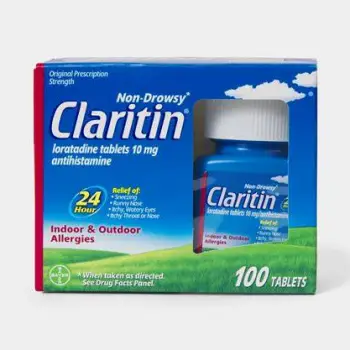
A safety-focused explanation of whether there is a standard waiting period between Claritin and Benadryl, why spacing them by only a few hours does not necessarily prevent overlap, and when a pharmacist, clinician, emergency service, or Poison Control should be contacted.
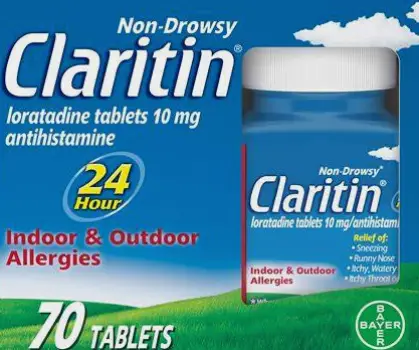
A pregnancy-focused medication safety guide explaining what current human evidence says about loratadine (Claritin), the limits of that evidence, how to check the exact product, and when to consult a prenatal healthcare professional.
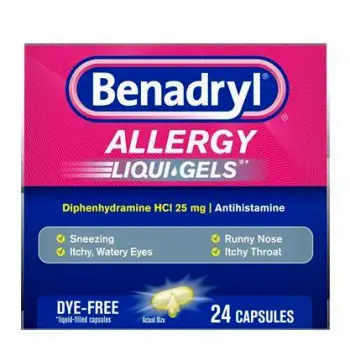
A practical, evidence-based assessment of using Benadryl or other diphenhydramine products for sleep, covering limited short-term benefit, next-day impairment, tolerance, safety concerns, and better responses to persistent insomnia.
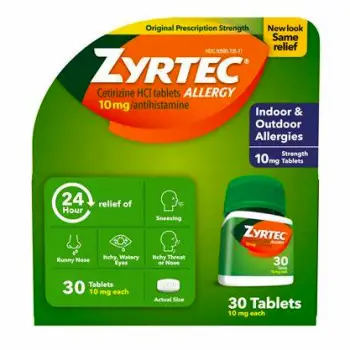
Clarify whether adults can take 20 mg of Zyrtec, how this differs from the US OTC maximum, and why higher-dose cetirizine is sometimes used off-label for chronic urticaria.

Can dogs take Benadryl for itching? This veterinary safety guide explains when diphenhydramine may help, why it often gives limited relief for chronic itchy skin, how veterinarians approach dosing, which products and dogs require extra caution, and when scratching or an allergic reaction needs urgent care.

Can Zyrtec contribute to weight gain? Examine what the evidence actually establishes, why appetite or drowsiness might matter, and how to evaluate a weight change without assuming cetirizine is the cause.
A practical, evidence-conscious comparison of Xyzal and Zyrtec covering effectiveness, drowsiness, dosing, safety, and the factors that determine which allergy medicine may suit an individual.
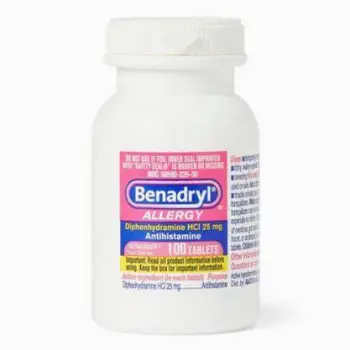
Benadryl can contribute to constipation through diphenhydramine’s anticholinergic effects. This guide explains the likelihood, clues that the medicine may be responsible, safe self-care, medication review, and warning signs requiring medical attention.
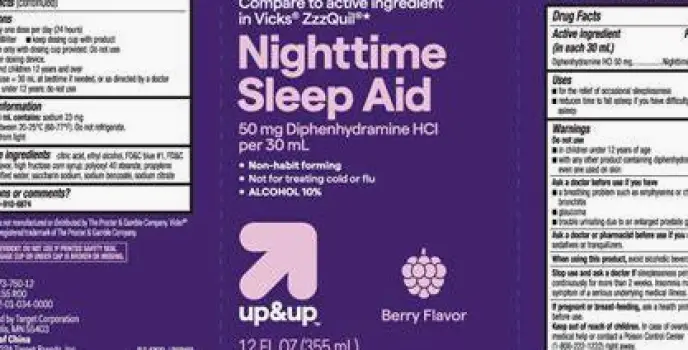
How much diphenhydramine adults can take as a nighttime sleep aid, why the correct amount depends on the product rather than the Benadryl name, and how to avoid duplicate ingredients, interactions, next-day impairment, and overdose.
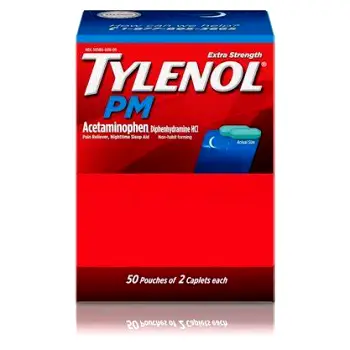
Can Tylenol and Benadryl be taken together? Clarify when the combination may be appropriate, how to check active ingredients, and which sedation, liver, overdose, and special-population risks require extra caution.
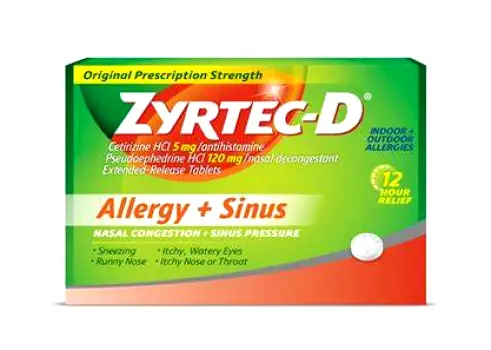
Can Singulair and Zyrtec be taken together? This evidence-based guide explains the known interaction status, why clinicians may combine them, medication-specific risks, and when professional advice is needed.
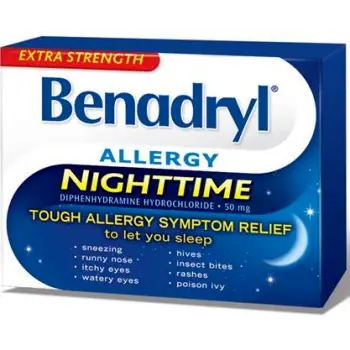
A clear, safety-focused comparison of doxylamine succinate and Benadryl (diphenhydramine) that helps readers distinguish their active ingredients, allergy and sleep uses, shared sedating effects, and reasons neither should be chosen solely by brand name or perceived strength.

A practical, safety-focused comparison of oral Zyrtec and oral Benadryl for allergy-related itching, covering likely effectiveness, duration, sedation, appropriate use, and the limits of self-treatment.

Can Zyrtec and prednisone be taken together? A cautious, practical explanation of the interaction evidence, each medicine’s role, relevant side effects, and situations that require professional or emergency care.
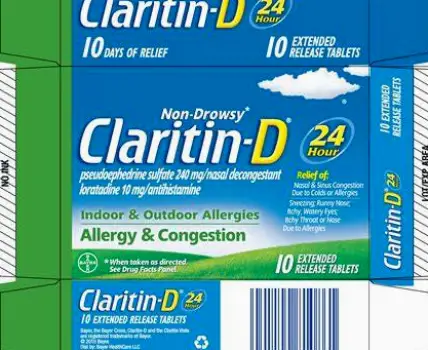
Clear guidance on whether two Claritin doses can be taken within 24 hours, what to do after an accidental extra dose, and safer next steps when allergy symptoms persist.
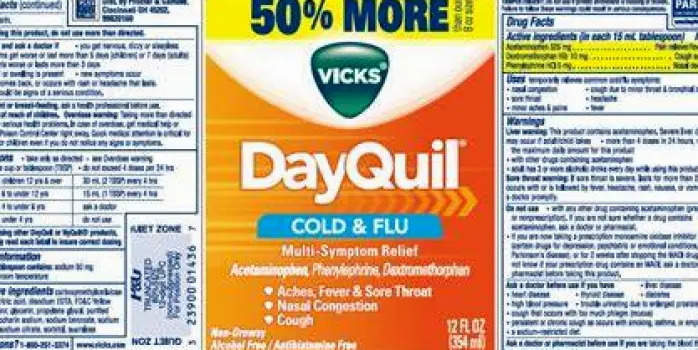
Can Zyrtec and DayQuil be taken together? A formulation-specific guide to ingredient overlap, drowsiness, acetaminophen duplication, health conditions, and when to ask a pharmacist.
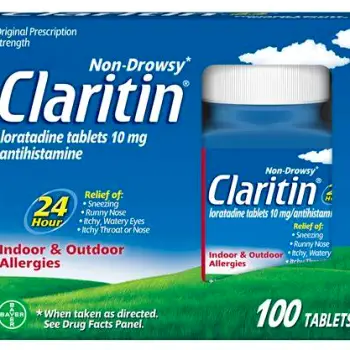
Can Claritin be taken with alcohol? This evidence-led safety guide explains why avoiding the combination is the cautious choice, what effects to watch for, and why timing does not guarantee safety.
A focused, evidence-aware answer on whether plain Claritin can cause constipation, how strong that association is, how to assess other likely causes, and what practical steps or warning signs matter.

Clarify whether Afrin is an antihistamine, explain how oxymetazoline relieves nasal congestion, distinguish it from allergy medicines that block histamine, and outline label-based use limits and safety precautions.
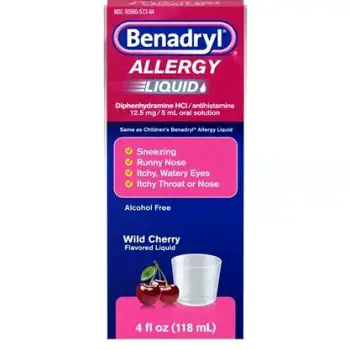
A practical, safety-focused guide to medicines and substances that may interact with oral Benadryl, explaining duplicate ingredients, additive drowsiness, anticholinergic effects, label checking, and when to consult a pharmacist or seek urgent help.
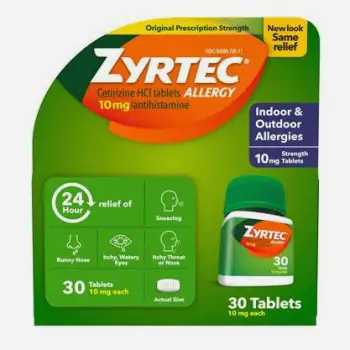
Allegra and Zyrtec compared for allergy relief, drowsiness, evidence, interactions, and everyday use so readers can choose the better fit safely.

A practical, evidence-based comparison of Benadryl and Zyrtec that explains why “stronger” is not a single clinical measure, contrasts allergy relief, onset, duration, and sedation, and helps readers understand when professional or emergency care is needed.
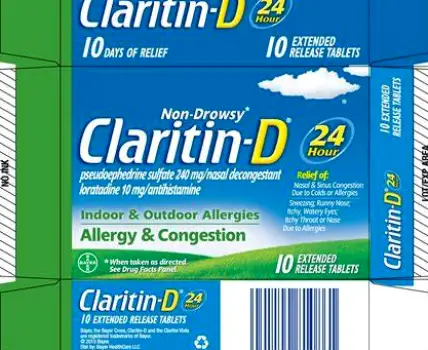
Claritin-D is sold without a prescription in most of the United States, but pseudoephedrine rules keep it behind the pharmacy counter and may vary by state. See what identification, safety checks, and product distinctions matter before purchase.

Claritin and Allegra compared by effectiveness, symptom pattern, drowsiness risk, administration constraints, and safety considerations to help readers discuss an appropriate allergy treatment choice.
Can Benadryl and Mucinex DM be taken together? This guide explains the ingredient-specific interaction, increased drowsiness risk, label checks, precautions, and when to seek professional advice.

A safety-focused medication interaction guide explaining whether oral benzonatate and Benadryl can be used together, why overlapping drowsiness and dizziness still matter, and when readers should confirm the combination with a clinician or seek urgent help.
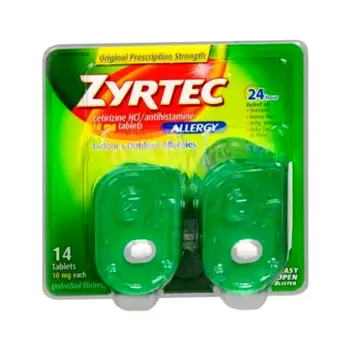
Can cetirizine trigger a headache? This evidence-focused guide explains how strongly headache is linked with Zyrtec, how to assess timing and other possible causes, what may help, and when to seek medical advice.
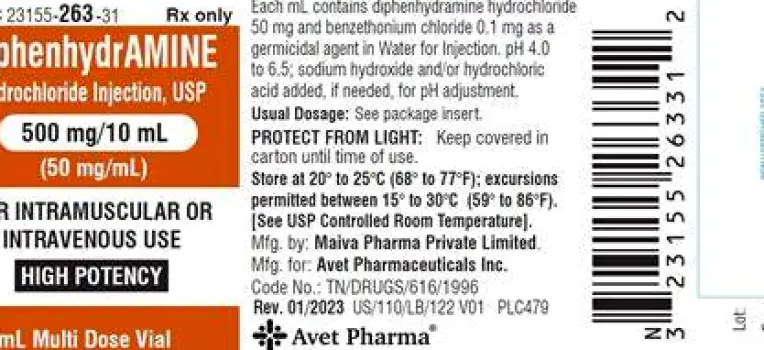
Benadryl overdose cannot be reduced to one reliable pill count. This safety-focused guide explains why, identifies warning signs, and gives immediate US poison-response steps.

Can Zyrtec disrupt sleep? A focused guide to cetirizine, nighttime wakefulness, Zyrtec-D, dose timing, and when to ask a pharmacist or clinician for help.
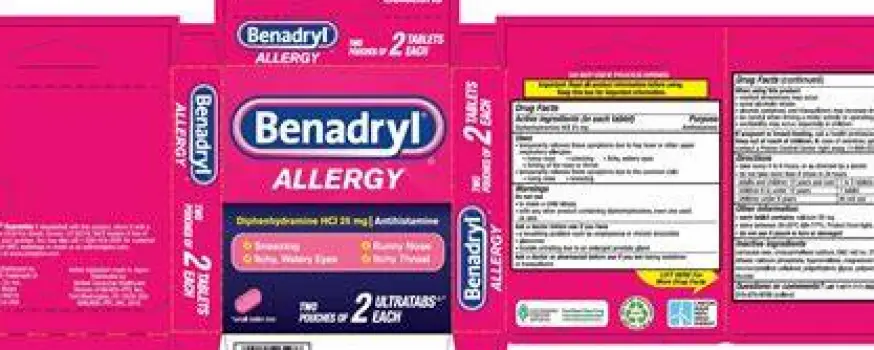
Children's Benadryl usually begins relieving allergy symptoms within about 20-30 minutes. Find out what affects the timing, how long relief lasts, and when a child needs help instead of another dose.
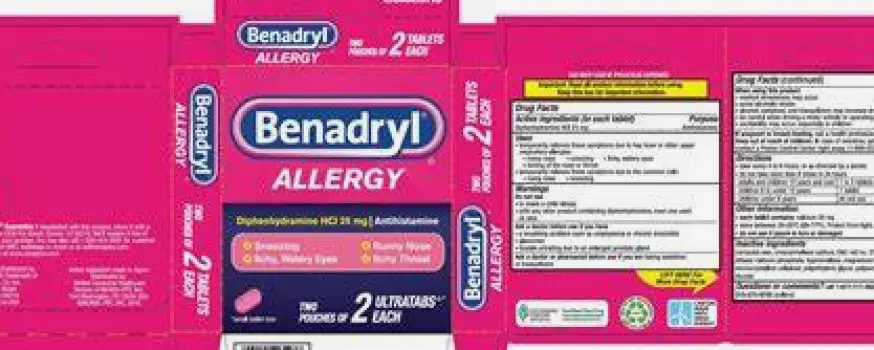
Compare Unisom SleepTabs and Benadryl for occasional sleeplessness, including their different ingredients, label directions, next-day impairment, shared safety risks, and why neither is a routine treatment for chronic insomnia.