
Jasmine Rice Explained: Taste, Nutrition, Uses, and Cooking
Discover what jasmine rice is, how it differs from white and basmati rice, its nutrition and uses, plus cooking and storage tips.
Discover guidance on healthy eating, nutrients, dietary patterns, meal planning, supplements, and the connection between food and overall health.
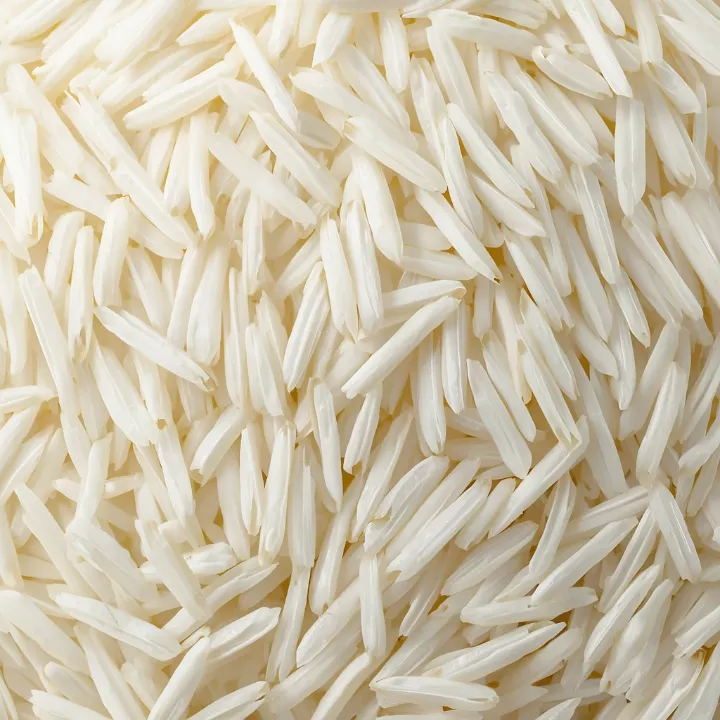
Discover what jasmine rice is, how it differs from white and basmati rice, its nutrition and uses, plus cooking and storage tips.
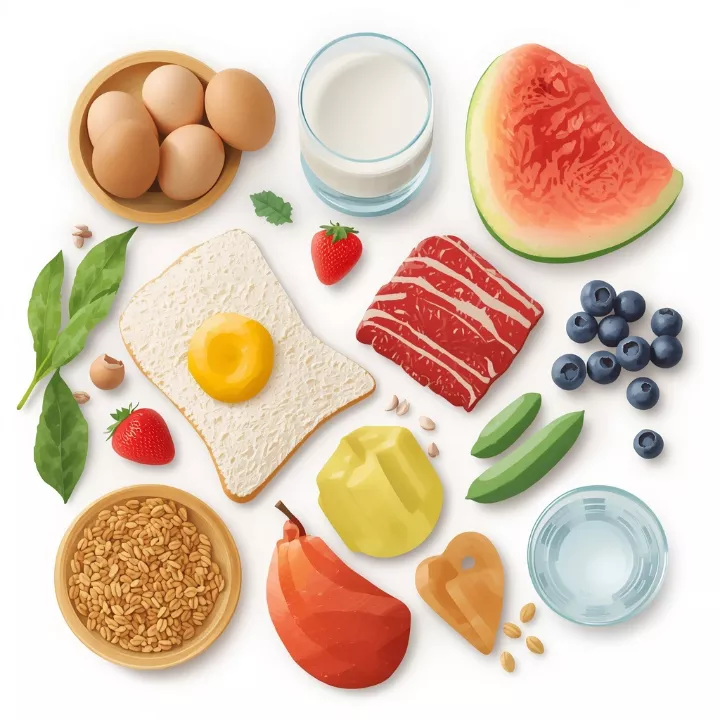
No single food wins recovery. Find out how to combine protein, carbohydrates, and fluids after exercise, plus easy food choices and timing guidance that works.
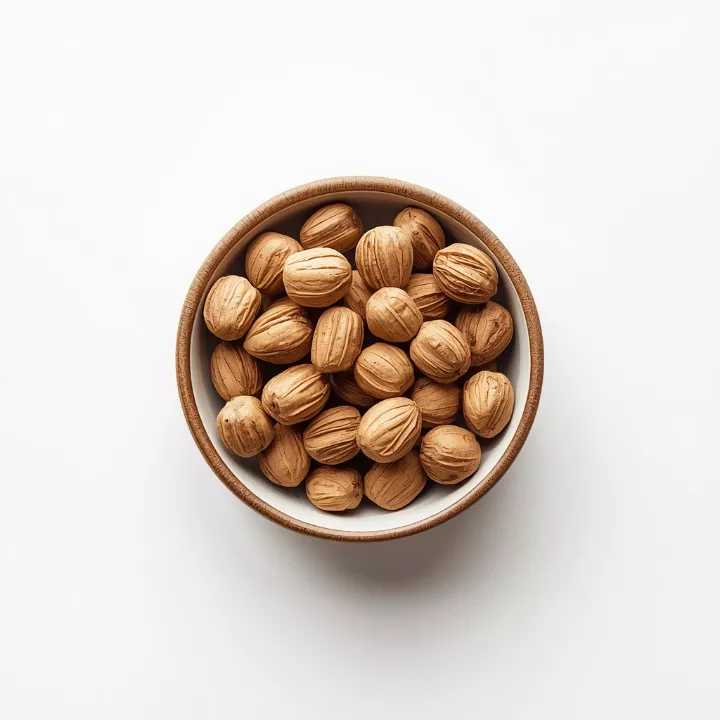
Brazil nuts are nutrient-dense and exceptionally rich in selenium, but portions matter. Explore their nutrition, possible benefits, research limits, and safety risks.
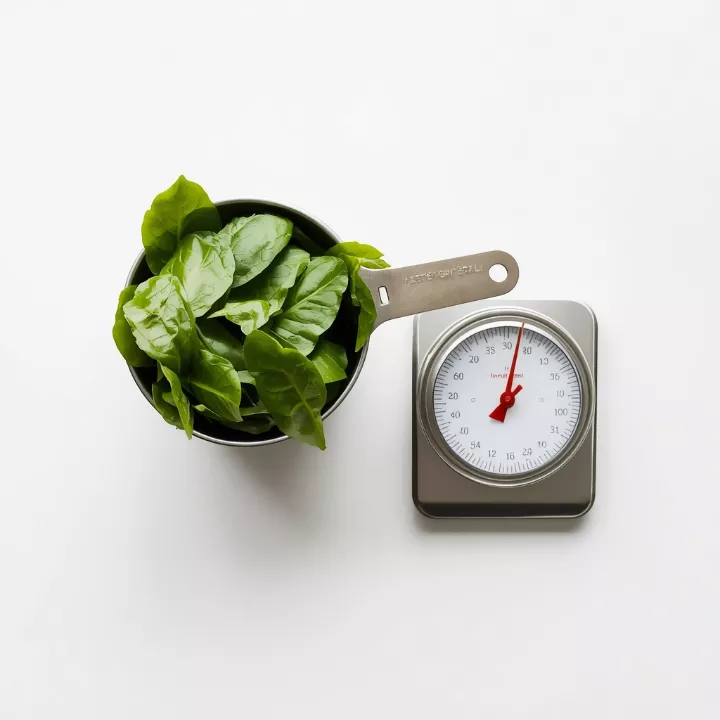
Yes, spinach contains protein. Find out how much protein raw and cooked spinach provide, why serving-size numbers differ, and how to pair spinach with more concentrated protein foods.
Discover why water can taste neutral, sweet, salty, metallic, earthy, or mineral-like, how source and treatment shape flavor, and practical ways to improve unpleasant-tasting drinking water.
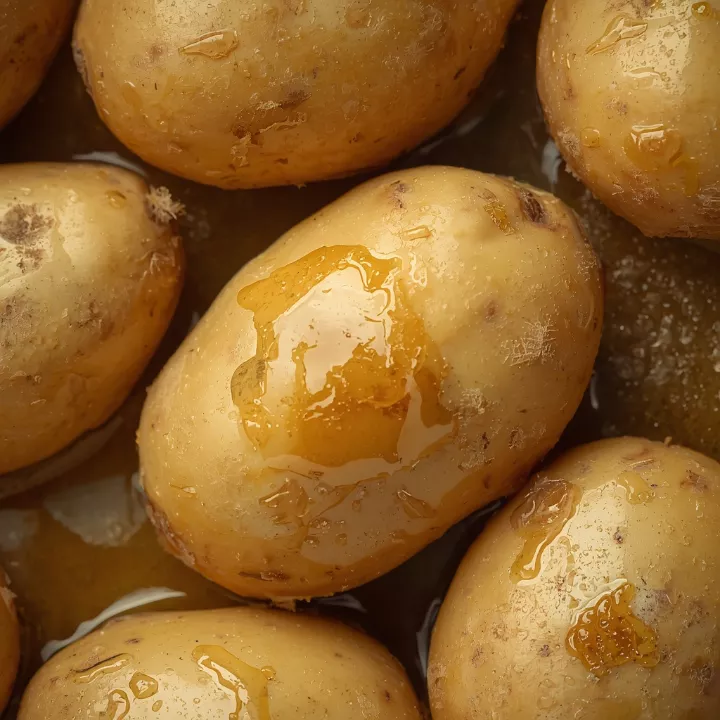
Find out how to tell whether raw or cooked potatoes are still safe to eat by checking texture, smell, mold, discoloration, sprouts, greening and storage time. This practical guide explains when trimming may be reasonable, when to discard the potato, how to handle cooked leftovers, and how to store potatoes to slow spoilage.

Evidence-aware overview of pumpkin seed oil's nutrition, potential uses, practical culinary applications, and limitations, distinguishing established nutrient facts from preliminary research on hair and urinary health.
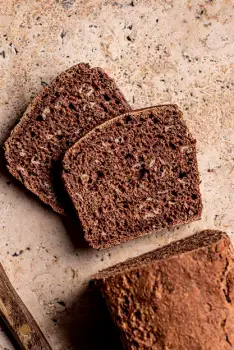
Rye bread can be a nutritious choice, but the recipe matters. Find out how whole-grain rye compares with refined bread, what studies show, and who should avoid it.
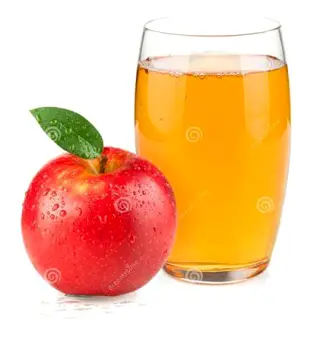
Apple juice is acidic, but its pH varies. Discover what that means for acid reflux, teeth, product choice, and comparisons with other drinks.
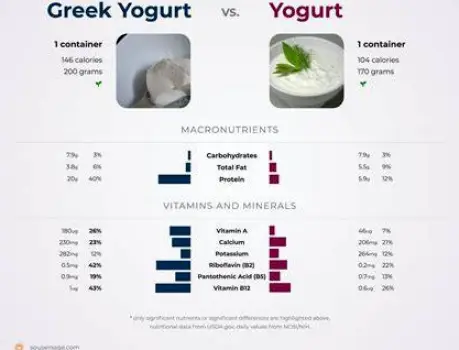
Greek yogurt is not inherently unhealthy, but milk allergy, lactose intolerance, added sugar, saturated fat, and product differences can make some options unsuitable.
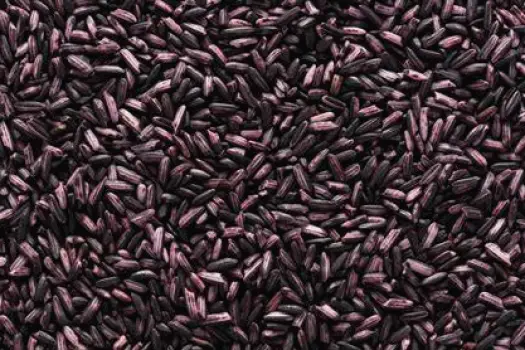
Discover what purple rice is, why it changes color, how it differs from black, white, and brown rice, what its potential benefits really mean, and how to cook and store it safely.

Ham provides protein and useful nutrients, but most varieties are processed and high in sodium. Find out how types differ, what the evidence means, and how to choose and eat ham more wisely.

Is spring water good for you? Discover what it contains, how bottled and untreated spring water differ, and how it compares with purified and tap water.

Can people safely eat dog food? Understand the contamination, nutrition, labeling, and accidental-ingestion issues before considering kibble or canned food.
Compare MCT oil and coconut oil by fat composition, ketone production, weight evidence, heart-health considerations, and practical uses.
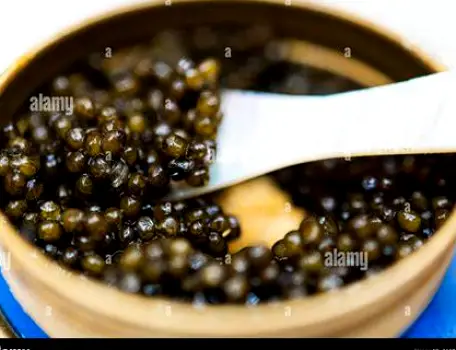
Caviar packs omega-3 fats, vitamin B12, protein and minerals into a small serving, but its sodium, food-safety considerations and limited direct research matter.
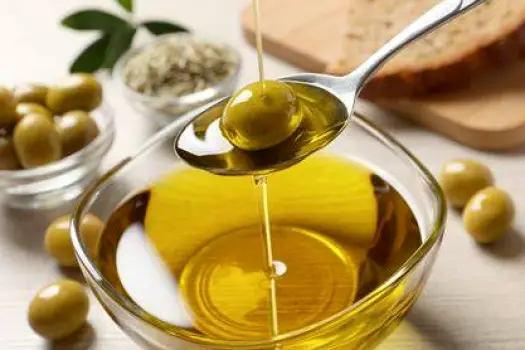
Daily olive oil may support a healthy diet, but drinking it straight offers no proven advantage. See what evidence supports, possible drawbacks, and practical alternatives.

Green tea is often mildly acidic to near neutral, but its pH varies. Understand brewing factors, reflux concerns, caffeine, dental effects, and misleading alkalizing claims.
Body oil and lotion moisturize differently, but neither is best for everyone. Compare their ingredients, texture, uses for dry or sensitive skin, and how to decide whether one product or layering suits your routine.
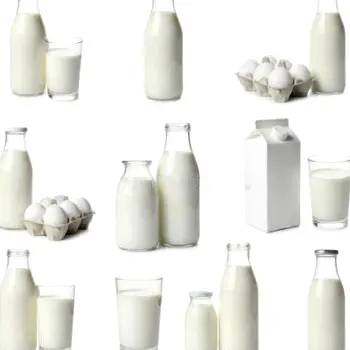
Compare dairy and plant-based milks by protein, calories, sugar, calcium, fat, allergies, and dietary needs. Use practical label-reading guidance to help readers choose the best milk for their health goals and preferences.
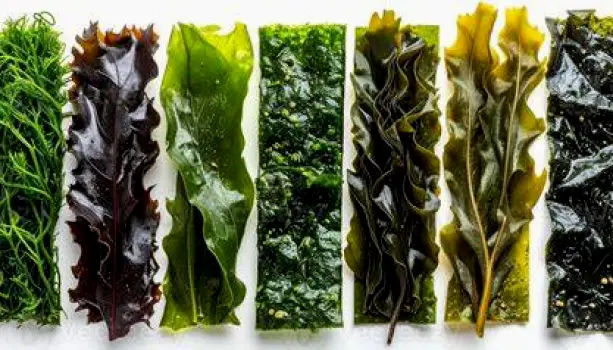
A practical evidence-aware guide to whether seaweed salad is healthy, comparing plain wakame with prepared restaurant versions and explaining iodine, sodium, added ingredients, allergies, and sensible portions.
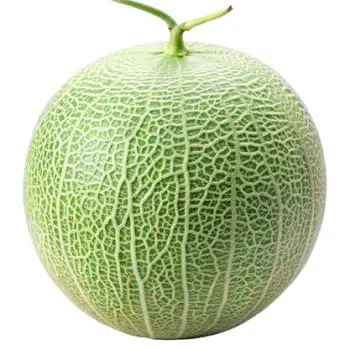
Are carrots low carb? Get clear carb and net-carb counts by serving, see how carrots compare with other vegetables, and find out whether they can fit a low-carb or keto eating plan.

A practical food-safety guide to recognizing spoiled raw, cooked, and frozen chicken, separating quality changes from genuine safety risks, and using storage times, temperature rules, and safe handling practices to decide when chicken should be discarded.
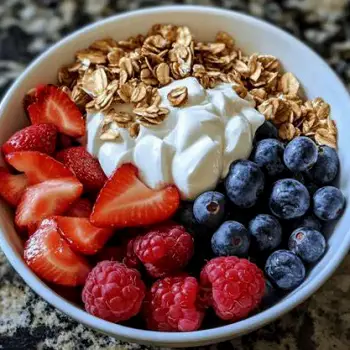
Healthy snacks before bed can be simple: yogurt with fruit, oatmeal, whole-grain crackers, or a small handful of nuts. Compare practical options, portion considerations, and what the evidence really says about sleep.
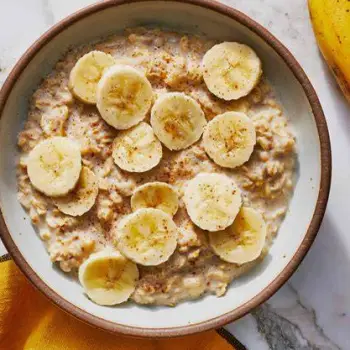
A practical, evidence-conscious guide to the best foods and drinks for a cold, including hydration, soothing options, symptom-specific choices, foods to limit, and the limits of nutrition claims.
A clear guide to whether eggs are dairy, why stores group them together, and whether eggs fit lactose-free, dairy-free, vegetarian, or allergy-conscious diets.

Masturbation uses some energy, but no dependable research establishes a universal calorie count. This evidence-focused guide explains why estimates vary and why masturbation is not an effective weight-loss strategy.

A practical, evidence-aware guide to foods that may be easier to tolerate with gastritis, common symptom triggers, balanced meal ideas, individualized testing, nutrient concerns, and the limits of dietary care.
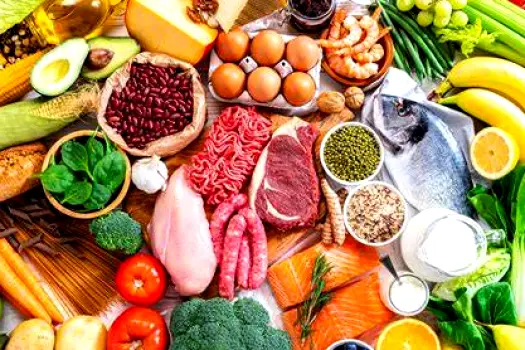
Protein powder is usually unnecessary for kids, but safety depends on the product and the child's needs. Explore age-based protein requirements, ingredient risks, food-first options, and when professional guidance matters.

A practical guide to Assam tea: what defines it, how origin and processing shape its bold malty taste, how much caffeine it may contain, what health claims actually show, and how to brew and enjoy it safely.