
 h2>Benadryl interactions at a glance
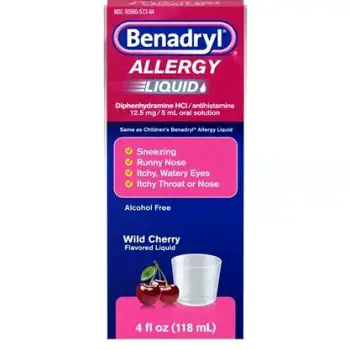
The primary concern when taking oral Benadryl is its active ingredient, diphenhydramine hydrochloride. In the United States, the standard Benadryl Allergy product contains only this sedating antihistamine. Formulations vary significantly by region and brand, and many products sold under similar names contain additional active ingredients or entirely different medications. Always verify the exact formulation by checking the Drug Facts panel on the packaging before use.
Interaction risks with diphenhydramine generally fall into three categories: duplicate dosing, additive sedation, and additive anticholinergic effects. Duplicate dosing occurs when a person takes multiple products containing diphenhydramine, leading to potentially dangerous levels of the drug in the body. Additive sedation happens when diphenhydramine is combined with other substances that cause drowsiness, increasing the risk of impaired coordination and accidents. Additive anticholinergic effects arise when diphenhydramine is taken with other medications that share similar side-effect profiles, such as dry mouth, constipation, blurred vision, or difficulty urinating.
Not every combination is strictly prohibited. Some interactions require careful professional review, while others are clear prohibitions based on manufacturer warnings. Because individual health conditions, other medications, and age can significantly alter how the body processes diphenhydramine, this list is not exhaustive. A pharmacist or healthcare provider should evaluate any specific combination to ensure safety.
Other antihistamines and duplicate diphenhydramine
The most critical and avoidable hazard is taking more than one product containing diphenhydramine. The US product label explicitly warns against using oral diphenhydramine with any other product that also contains diphenhydramine, including topical products applied to the skin. This warning exists because exceeding the recommended dose can lead to severe anticholinergic toxicity, including confusion, hallucinations, seizures, and dangerous heart rhythms.

Duplicate exposure is a common risk because diphenhydramine is an active ingredient in numerous over-the-counter products beyond allergy relief. It is frequently found in nighttime sleep aids, pain relief combinations, and multisymptom cold and flu remedies. When selecting a product, readers must look past the brand name and examine the list of active ingredients. A product may be marketed for pain or sleep but still contain a dose of diphenhydramine that adds to the total load if taken alongside Benadryl.
Combining diphenhydramine with other antihistamines, such as loratadine, cetirizine, or fexofenadine, is also discouraged. The Benadryl manufacturer advises against using multiple antihistamine medicines together, as this can intensify adverse effects without providing significantly greater symptom relief. The NHS similarly recommends checking with a healthcare professional before combining diphenhydramine with other antihistamines, noting that the sedative and anticholinergic side effects may become worse.
Distinguish between antihistamines that are sedating and those that are non-sedating. While non-sedating antihistamines are less likely to cause drowsiness, combining them with diphenhydramine still increases the overall anticholinergic burden on the body. The safest approach is to use only one antihistamine at a time and to consult a pharmacist if unsure whether a specific OTC product contains an antihistamine.
Benadryl Interaction Safety Check
Sedatives, sleep medicines, opioids, and alcohol
Diphenhydramine is a centrally acting antihistamine that causes marked drowsiness. Its label warns that combining it with sedatives, tranquilizers, or alcohol can significantly increase this drowsiness and impair mental and physical abilities. This additive effect is not limited to prescription medications; it extends to over-the-counter sleep aids, anxiety medications, and muscle relaxants.
The practical consequence of combining these substances is an increased risk of falls, accidents, and impaired driving. Users are advised to avoid driving or operating machinery when taking diphenhydramine, especially if it is combined with other sedating agents. The impairment can be unpredictable; even if a person feels alert, their reaction time and coordination may be significantly slowed.
Alcohol consumption should be avoided entirely while taking diphenhydramine. Alcohol acts as a central nervous system depressant, and its effects compound those of diphenhydramine, leading to extreme drowsiness, confusion, and potentially dangerous respiratory depression in severe cases.
Opioid-containing painkillers present a similar risk. The NHS notes that codeine and other prescription opioids can cause pronounced tiredness and sleepiness when combined with diphenhydramine. This combination not only increases drowsiness but also carries a risk of severe respiratory depression, where breathing becomes dangerously slow or shallow. Patients prescribed opioids should consult their doctor or pharmacist before taking any antihistamine, even if it is available over the counter.
Antidepressants and other anticholinergic medicines
Many medications used to treat depression, anxiety, and other mental health conditions share anticholinergic properties with diphenhydramine. Anticholinergic effects occur when a substance blocks the action of acetylcholine, a neurotransmitter involved in muscle movement, memory, and regulation of bodily functions. Common symptoms of excessive anticholinergic activity include dry mouth, constipation, blurred vision, difficulty urinating, and confusion.
The UK NHS specifically advises consulting a healthcare provider before taking diphenhydramine with certain antidepressants. Tricyclic antidepressants, such as amitriptyline, have strong anticholinergic effects. When combined with diphenhydramine, these effects can become severe, leading to significant discomfort, urinary retention, and cognitive impairment.

Monoamine oxidase inhibitors (MAOIs) require even greater caution. The NHS flags a specific risk window for MAOIs, advising consultation if an MAOI was stopped within the previous two weeks. This washout period is necessary because MAOIs interact with a wide range of substances, including antihistamines, and the interaction can lead to hypertensive crisis or serotonin syndrome, both of which are medical emergencies.
Beyond antidepressants, other classes of medications possess anticholinergic effects. These include some bladder control medications used for overactive bladder, certain Parkinson's disease medications, and some antipsychotics. While it is not necessary to memorize every medication in these categories, readers should be aware that the combination of diphenhydramine with these drugs increases the risk of side effects. If a patient experiences severe dry mouth, constipation, or difficulty urinating while taking these combinations, they should seek medical advice.
Painkillers, cough and cold products, and supplements
When considering pain relief, it is essential to distinguish between simple analgesics and combination products. The NHS states that diphenhydramine can generally be taken with paracetamol (acetaminophen) or ibuprofen, as these non-opioid painkillers do not share sedative or anticholinergic properties with diphenhydramine. The safety of this combination depends on the specific formulation.
Multisymptom cough and cold products frequently contain diphenhydramine or other sedating antihistamines to relieve cough and runny nose. They may also contain pain relievers like acetaminophen or decongestants like pseudoephedrine. Taking Benadryl alongside these products creates a high risk of accidental diphenhydramine overdose or unintended duplication of acetaminophen, which can cause liver damage at high doses. Always check the active ingredients list of any cough, cold, or flu medication before taking it with Benadryl.
Regarding herbal products and dietary supplements, the evidence base is limited. The NHS notes that there is insufficient information to conclude that complementary medicines and herbal remedies are safe with diphenhydramine. Many herbal sleep aids, such as valerian root, kava, or chamomile, have sedative properties that can add to the drowsiness caused by diphenhydramine. Some supplements marketed for pain or inflammation may contain ingredients that affect the central nervous system.
Because of the lack of comprehensive safety data for herbal interactions, patients should consult a pharmacist or healthcare provider before combining diphenhydramine with any herbal supplement, especially those that cause sleepiness, dry mouth, or urinary difficulty. Relying on the natural label of a supplement does not guarantee safety when combined with prescription or OTC medications.
How to check whether a combination is safe
Verifying the safety of combining diphenhydramine with other substances requires a systematic approach. First, confirm the exact formulation of the Benadryl product being used. In the US, look for “diphenhydramine HCl” as the only active ingredient in the standard Allergy product. Be aware that other brands or international versions may contain different medications.

Next, create a complete list of all substances being taken or considered. This list must include:
- Prescription medications
- Over-the-counter medicines, including painkillers, cough syrups, and sleep aids
- Vitamins and dietary supplements
- Herbal remedies
- Cannabis products
- Alcohol consumption habits
Provide this complete list to a pharmacist or prescribing clinician. Do not rely on brand names alone, as many products share ingredients. For example, a product named “Nighttime Pain Relief” may contain diphenhydramine, while a “Daytime Cold Formula” may not.
Do not assume that spacing out doses eliminates an interaction. Diphenhydramine has a long half-life, meaning it stays in the body for many hours. Taking medications close together or even several hours apart can still result in additive effects if the substances share similar mechanisms of action.
Health conditions and age also play a significant role in safety. The US label warns users to consult a doctor before use if they have breathing problems like emphysema or chronic bronchitis, glaucoma, or difficulty urinating due to an enlarged prostate. Elderly patients are particularly susceptible to anticholinergic side effects, including confusion and falls. Risk assessment must be personalized, and general guidelines should not replace professional medical advice.
When to contact a pharmacist, Poison Control, or emergency services
Determining when to seek help depends on whether the concern is prospective planning or an active reaction. For non-urgent questions about a planned combination, contact a pharmacist or prescribing clinician. This is especially important if you are taking monoamine oxidase inhibitors, sedatives, opioids, multiple antihistamines, or medications with known anticholinergic effects. A professional can review your specific health profile and medication list to determine if the combination is safe.
In the United States, immediate guidance for suspected overdose or accidental ingestion of multiple diphenhydramine-containing products is available from Poison Control. The number is 1-800-222-1222. This service provides expert advice on poison exposure and can help determine whether emergency care is needed. It is advisable to call Poison Control if you suspect that you or someone else has taken more than the recommended dose of diphenhydramine, or if a child has ingested any amount of the medication.
Emergency services (911 in the US) should be contacted immediately if the person exhibits life-threatening symptoms. These symptoms include collapsing, having a seizure, having trouble breathing, or being unable to be awakened. These signs indicate severe toxicity or respiratory depression and require urgent medical intervention. Do not attempt to treat overdose at home or wait for symptoms to resolve on their own.
The Benadryl manufacturer also directs suspected antihistamine overdose to emergency services or Poison Control. If you notice signs of severe anticholinergic toxicity, such as extreme confusion, hallucinations, rapid heartbeat, or difficulty urinating, seek medical attention promptly. Early intervention can prevent serious complications and ensure appropriate supportive care.