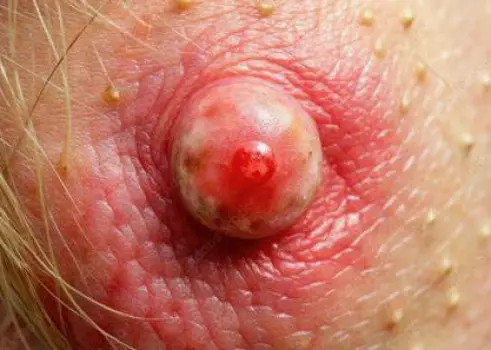
The honest answer to whether you can dissolve a cyst naturally is no. While some skin cysts may settle, remain stable, or occasionally drain on their own, there are no natural home remedies that have been established as reliable methods for dissolving the cyst sac itself.
Clarify that this guidance applies specifically to skin cysts, such as epidermoid cysts, which are common surface lumps. It does not apply to internal cysts found in organs like the ovaries or kidneys, nor to other specialized types like ganglion cysts near joints. Those conditions require separate clinical evaluation and management.
For most people, the realistic choices regarding a skin cyst involve one of three paths: monitoring the lump if it is harmless and not bothersome, focusing on gentle comfort measures to manage surface irritation, or seeking clinician-directed treatment if the cyst becomes painful, infected, or aesthetically concerning. Understanding what a cyst actually is helps explain why topical applications cannot simply “melt” it away.
What a Skin Cyst Is
A skin cyst is essentially a closed, sac-like lump located beneath the surface of the skin. According to health guidance from the NHS, these lumps are commonly found on the scalp, face, neck, or back. They typically grow slowly and are filled with fluid or a thicker, cheese-like material known as keratin. Most skin cysts are harmless and non-cancerous, but they can become problematic if they change in size or comfort level.
The defining feature of a true cyst is its outer wall, often called the sac or capsule. This wall holds the contents together. Because of this structure, simply draining the thick material inside does not remove the cyst. If the sac remains intact beneath the skin, it can continue to produce keratin and refill with fluid over time. This is why superficial treatments that only affect the surface skin or drain visible material rarely result in permanent removal.
While some cysts have a small central punctum (a tiny opening) on the skin's surface, this does not make them easy to treat at home. Many other types of lumps exist under the skin, including lipomas and abscesses. Because the appearance of different lumps can overlap, assessing a new or uncertain lump should always be done by a clinician rather than through self-diagnosis.
What Natural Home Care Can Realistically Do
Natural home care cannot remove a cyst, but it can help manage minor discomfort or keep the skin around the area healthy. The primary goal of home care is symptom relief and prevention of irritation, not dissolution of the cyst structure.
Gentle skin hygiene is the most effective approach. Keeping the area clean with mild soap and water helps prevent secondary bacterial infections that might occur if the skin is broken or irritated. Avoiding tight clothing or jewelry that rubs against the cyst can also reduce friction and inflammation. Resist the urge to pick at, squeeze, or scratch the lump, as this trauma can lead to infection and scarring.
There is a common misconception about the use of warm compresses for all types of cysts. Health authorities like the NHS do recommend applying a warm, clean compress to a closed eyelid specifically for treating a chalazion (a type of eyelid cyst). This guidance is condition-specific. There is no evidence that applying warmth dissolves other types of skin cysts, such as epidermoid cysts on the back or face. While a warm cloth might feel soothing, it should not be relied upon as a method to shrink or eliminate non-eyelid cysts. Home care should remain limited to comfort and observation unless professional treatment is required.
Challenge yourself with a handful of quick questions. Select one answer for each question and discover how well you know the subject.
Cyst Basics Quiz
According to the NHS, can natural home remedies dissolve a skin cyst?
The NHS states that no home remedy can dissolve the cyst sac; they may soothe but not remove it.
Which cyst does the NHS recommend treating with a warm compress?
Warm compress guidance is specific to a chalazion, not to other skin cysts.
Popular Remedies and Evidence Limits
Internet searches and wellness forums frequently promote various natural remedies for skin cysts, including tea tree oil, apple cider vinegar, aloe vera, honey, turmeric, and castor oil. While these substances are popular in home medicine for other minor skin issues, they do not have evidence supporting their ability to dissolve or remove a skin cyst.
Health guidance explicitly notes that none of these remedies have been proven to dissolve the cyst wall or prevent the cyst from returning. Some of these ingredients, such as tea tree oil or apple cider vinegar, possess antimicrobial or anti-inflammatory properties in laboratory settings or when used for other minor conditions. These general properties do not translate to the structural removal of a keratin-filled sac beneath the skin.
Applying undiluted essential oils or acidic substances like apple cider vinegar directly to the skin can cause irritation, contact dermatitis, or chemical burns. This is particularly risky over an already inflamed or potentially infected cyst. Because these remedies cannot reach or dissolve the deep-seated cyst wall, any perceived improvement is likely temporary relief of surface redness rather than actual cyst resolution. Relying on unproven topical treatments can also delay seeking necessary medical care if the cyst becomes infected.
Why DIY Removal Is Unsafe
The strong advice from medical authorities, including the NHS, is to avoid squeezing, puncturing, cutting, or attempting to drain a skin cyst at home. This guidance exists because DIY removal carries significant risks that outweigh any perceived benefit.
First, introducing bacteria into the skin through fingers, needles, or sharp tools can cause a localized infection. A sterile cyst can quickly become a painful abscess if contaminated, leading to increased swelling, redness, warmth, and potentially requiring antibiotics or emergency drainage. Second, attempting to burst a cyst often leads to scarring. The trauma inflicted by squeezing or cutting the skin can damage surrounding tissue, leaving permanent marks that are more cosmetically concerning than the original lump.
Even if you manage to drain visible material, the procedure is rarely successful in removing the entire problem. As explained earlier, the cyst sac remains beneath the skin unless surgically excised. Draining it at home often causes the contents to leak into surrounding tissue, which can trigger significant local inflammation and pain. The structure then refills, leading to recurrence. Professional removal ensures that the entire sac is extracted cleanly, minimizing the risk of infection and recurrence.
Medical Treatments for Persistent or Painful Cysts
When a cyst becomes troublesome, painful, infected, enlarging, or recurrent, medical evaluation is appropriate. A clinician can confirm the diagnosis and recommend treatment options tailored to the specific situation. Treatment is not always necessary for asymptomatic cysts, but it becomes important when the lump interferes with daily life or shows signs of complications.
For skin cysts that require intervention, several professional treatments are available. In some cases, a clinician may perform a minor procedure to drain the cyst, providing immediate relief from pressure and pain. Because drainage alone does not remove the sac, this is often followed by other methods to ensure the cyst does not refill.
For inflamed or painful cysts, a dermatologist may administer a corticosteroid injection directly into the lump. This can help reduce inflammation and shrink the cyst without immediate surgery. The most definitive treatment for persistent or recurrent cysts is surgical removal. A healthcare professional carefully cuts out the entire cyst, including the wall, to prevent it from coming back. The choice of treatment depends on factors such as the cyst's size, location, whether it is infected, and the patient's preferences.
Warning Signs and When to Get Medical Help
Most skin cysts are harmless and can be monitored without intervention. Certain changes in a lump warrant professional assessment. You should seek medical advice if a cyst exhibits any of the following signs:
Pain or Tenderness: If the cyst becomes painful to touch or causes discomfort during movement, it may be inflamed or infected.
Rapid Growth: A lump that enlarges quickly is not typical for a stable cyst and requires evaluation to rule out other conditions.
Signs of Infection: Look for increased redness, warmth, swelling, or pus draining from the area. These are indicators that bacterial infection has set in.
Change in Appearance: If the lump changes color, texture, or shape noticeably, it should be examined by a clinician.
Uncertainty About Diagnosis: If you are unsure whether a lump is a cyst, lipoma, or something else, do not attempt self-diagnosis.
Interference with Daily Life: If the cyst is in a location that causes irritation from clothing or affects your comfort, treatment may be beneficial.
If a new, hard, or rapidly growing lump appears, or if an existing cyst becomes severely painful, prompt clinical evaluation is recommended. This ensures appropriate management and rules out other underlying conditions.
No natural home remedy has been established as a reliable way to dissolve a skin cyst or its sac. Some skin cysts may settle, remain stable, or occasionally drain on their own, but this guidance applies to common surface skin cysts such as epidermoid cysts, not to internal cysts in organs like the ovaries or kidneys or to ganglion cysts near joints, which require separate clinical evaluation. A true cyst has a wall or sac; draining the contents does not remove it, and it can refill.
Home care cannot remove a cyst but may help with minor discomfort: keep the area clean with mild soap and water, avoid friction from tight clothing or jewelry, and do not pick, squeeze, or scratch it. Warm compresses are recommended by the NHS specifically for a chalazion on the eyelid; there is no evidence that warmth dissolves other skin cysts. Popular remedies such as tea tree oil, apple cider vinegar, aloe vera, honey, turmeric, and castor oil are not proven to dissolve or remove skin cysts, and undiluted essential oils or acidic substances can cause irritation, contact dermatitis, or chemical burns, especially over inflamed or potentially infected skin.
DIY squeezing, puncturing, cutting, or draining is unsafe: it can introduce bacteria and turn a sterile cyst into a painful abscess, cause scarring, and often fails because the sac remains and the cyst recurs. Medical options include drainage for relief, corticosteroid injection for inflamed or painful cysts, and surgical removal of the entire cyst including the wall as the most definitive treatment. Seek medical advice if a cyst becomes painful or tender, grows rapidly, shows signs of infection such as redness, warmth, swelling, or pus, changes in color, texture, or shape, interferes with daily life, or if you are unsure what the lump is; prompt clinical evaluation is recommended for a new, hard, or rapidly growing lump or severe pain.
Please avoid including passwords, medical record numbers, insurance details, financial information, exact addresses, or any other confidential or directly identifying information in your message.