
 h2>What Tonsil Stones Are and How They Form
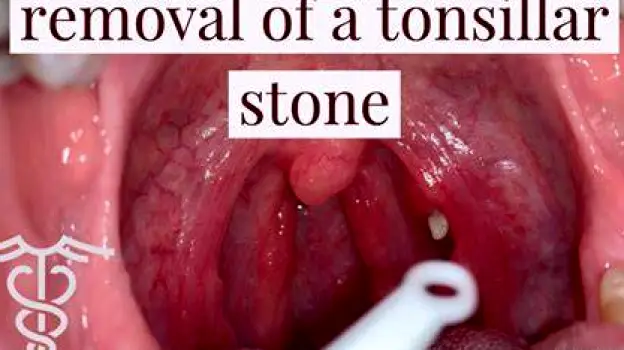
Tonsil stones, medically known as tonsilloliths, are hardened deposits that develop within the small pockets, or crypts, of the tonsils. They form when debris such as food particles, bacteria, dead cells, and mucus become trapped in these gaps. Over time, this material calcifies, turning into a solid structure. These stones typically appear as small white or yellowish formations, roughly the size of a piece of gravel.
While tonsil stones are generally harmless and often fall out on their own, they can cause noticeable symptoms. The most common issues include persistent bad breath, a bad taste in the mouth, and a feeling that something is stuck in the throat. Some individuals also experience throat discomfort, ear pain, or an ongoing cough. Although background information is limited, understanding their composition helps clarify why certain removal and prevention techniques work.
Safe Home Removal Methods
Removing tonsil stones at home requires caution and gentle techniques. The primary rule is to only attempt removal of stones that are clearly visible and easily accessible. Never force removal, use sharp objects, or push stones deeper into the tonsil crypts, as this can injure delicate tissue. Stop immediately if pain occurs.
Saltwater Gargling Gargling with warm saltwater is one of the most effective and safest ways to dislodge stones. Dissolve one teaspoon of salt in eight ounces of warm water. Gargle the solution for 15 to 30 seconds, allowing it to reach the back of the throat. This process helps dislodge loose stones, reduces bacteria, and soothes any irritation. Diluted apple cider vinegar can also be used as an alternative to help dissolve the hard outer coating of the stones, making them easier to release.

Cotton Swab Pressure For stones that are visible but not loosening with gargling, a wet cotton swab can be used. Gently apply pressure around the stone, not directly on it. Use steady, gentle pressure behind and around the stone to encourage it to release. Avoid poking or scraping the tonsil tissue directly, as this can cause bleeding or infection.
Water Flosser Use A water flosser, or oral irrigator, can flush out tonsil stones if used on the lowest pressure setting. Fill the device with lukewarm water and aim a gentle stream at the affected area for about 20 seconds. High pressure settings should be avoided, as they can damage the sensitive tonsil tissue and push stones deeper.
Coughing and Throat Clearing Vigorous coughing or throat clearing can naturally dislodge stones that are already partially loosened and sitting near the surface of the crypts. This method is passive and carries no risk of tissue injury, making it a safe first step for loose stones.
When to See a Doctor
Home removal is suitable for small, accessible stones, but professional medical attention is necessary in certain situations. Seek care if you experience persistent pain, swelling, difficulty swallowing, or signs of infection. Frequent recurrence of tonsil stones despite consistent home treatment also warrants a professional evaluation. Large or deeply embedded stones often require professional removal using sterile instruments to ensure safety and completeness.
If home methods fail or symptoms worsen, a healthcare provider may offer several professional treatments. These include manual removal, laser cryptolysis to resurface the tonsils and reduce crypts, or, in severe and chronic cases, a tonsillectomy. These procedures are designed to address underlying issues and prevent future stone formation when conservative measures are insufficient.
Prevention Strategies
Preventing tonsil stones relies on maintaining a clean oral environment and managing factors that contribute to debris buildup. Good oral hygiene practices are foundational. Brush your teeth at least twice daily with fluoride toothpaste, floss daily to remove food particles between teeth, and clean your tongue to reduce bacterial load. These actions remove the debris that can become trapped in tonsil crypts.

Staying hydrated is equally important. Drinking plenty of water stimulates saliva production, which naturally washes away bacteria and debris from the mouth and tonsils. Using an antimicrobial or antibacterial mouthwash regularly helps reduce overall bacteria buildup in the mouth and throat, minimizing the risk of stone formation and associated bad breath.
Lifestyle factors also play a role. Smoking and alcohol consumption can dry out the mouth, reduce saliva production, and disrupt the oral microbiome, all of which increase bacterial growth and the likelihood of stone formation. Limiting these habits supports a healthier oral environment. Managing sinus issues and allergies can further help by reducing excess mucus, which is a common contributor to tonsil stone development.
Maintaining Good Oral Hygiene
Consistent oral hygiene is the most effective defense against tonsil stones. While removal methods can address existing stones, they do not prevent new ones from forming. Establishing a daily routine that includes brushing, flossing, tongue cleaning, and mouthwash use removes the bacteria and food debris that fuel stone creation.
Regular dental checkups and professional cleanings are also vital. Dentists can remove plaque and bacteria that daily brushing might miss, monitor overall oral health, and identify potential issues before they become problematic. By prioritizing prevention through consistent hygiene, you reduce the need for repeated removal attempts and maintain better long-term throat and oral health.