
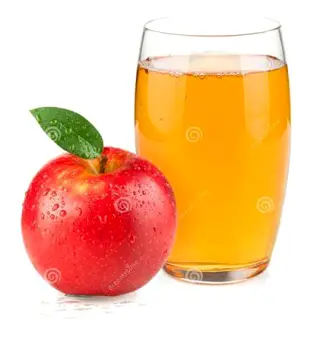
 h2>The short answer: apple juice is acidic
Apple juice is chemically acidic. According to the U.S. Food and Drug Administration, apple juice typically has a pH in the range of 3.4 to 4.0. Because the pH scale measures acidity and alkalinity, this range places apple juice well below neutral.
A pH of 7 represents neutrality. Values below 7 are acidic, while values above 7 are alkaline. The pH scale is logarithmic, meaning that each whole number change represents a tenfold difference in acidity. A beverage with a pH of 4 is significantly more acidic than one with a pH of 5. Apple juice within the documented FDA reference range is clearly on the acidic side of the spectrum.
Being less acidic than another beverage does not make a drink neutral or acid-free. While apple juice may have a higher pH than some citrus juices or carbonated soft drinks, it remains an acidic fluid. For understanding its potential effects on the body, particularly regarding digestive comfort and dental health.
What determines apple juice acidity?
The acidity of apple juice is primarily determined by the organic acids naturally present in apples. Malic acid is the most prominent acid in apples and is a major contributor to the characteristic tartness and low pH of the juice. The natural balance of these acids gives apple juice its distinct flavor profile and chemical structure.

The acidity of a specific bottle of apple juice can vary. This variation depends on the apple variety used, the ripeness of the fruit at harvest, and the processing methods employed by the manufacturer. Some products are formulated to emphasize sweetness, while others retain more of the natural tartness. Some commercial formulations may include added acidulants to adjust flavor or preserve stability.
Because formulations can differ, relying on a single pH value for all apple juices is inaccurate. A shopper cannot assume every bottle has identical acidity based on general knowledge alone. Checking the ingredient label is the most reliable way to identify specific formulations. If acidulants like malic acid are added, they may influence the final acidity profile beyond what the fruit naturally provides. This variability means that the pH of any given product is specific to its manufacturing and recipe, not a universal constant for the category.
How apple juice compares with other beverages
Placing apple juice in the context of other common beverages helps clarify its acidic nature. Water, with a pH near 7, is neutral. Apple juice, with a pH range of approximately 3.4 to 4.0, sits firmly in the acidic category. It is often less acidic than beverages like orange juice, grapefruit juice, or carbonated sodas, which can have pH levels closer to 3.0 or lower.
Despite being less acidic than some competitors, apple juice is not neutral. The distinction between “less acidic” and “nonacidic” is critical. A beverage does not need to be extremely acidic to cause effects related to its pH. The logarithmic nature of the pH scale means that even a difference of one or two pH points represents a significant difference in hydrogen ion concentration.
Product-specific measurements may overlap significantly between different types of acidic drinks. For example, some apple juices may have a pH similar to certain teas or diluted fruit drinks. Without specific data for each brand and formulation, it is difficult to create a precise, universal ranking. Apple juice belongs to the class of acidic beverages, regardless of where it falls relative to other options in that same class.
Can apple juice worsen acid reflux?
Chemical acidity and individual reflux responses are not interchangeable. While apple juice is acidic, this does not guarantee that it will trigger gastroesophageal reflux disease (GERD) symptoms in everyone. The relationship between diet and reflux is complex and highly individual.
Clinical guidelines, such as those from the American College of Gastroenterology, suggest that patients identify and avoid their personally recognized trigger foods. This recommendation is conditional, reflecting the fact that evidence for broad, universal dietary restrictions is limited and of low quality. What causes symptoms in one person may be well-tolerated by another.
Some large-scale analyses have not found a consistent association between juice consumption and increased reflux symptoms, despite the acidic nature of many juices. This suggests that factors beyond pH, such as sugar content, volume, and individual physiology, play significant roles in reflux triggers. Generalizing that apple juice inevitably worsens GERD is not supported by the current evidence.
For individuals who experience reflux, timing can be a relevant factor. Guidelines often suggest avoiding meals within two to three hours of bedtime to reduce the likelihood of nighttime symptoms. While this is a general strategy for managing reflux, it is not a specific treatment for apple juice and does not address the underlying cause of the condition. Individuals should monitor their own symptom patterns rather than assuming a universal reaction to acidic beverages.
Apple juice acidity and dental enamel
Repeated exposure to acidic beverages poses a known risk to dental health. The American Dental Association identifies frequent consumption of low-pH fruit juices as a predisposing factor for dental erosion. Erosion occurs when acid softens the tooth enamel, making it vulnerable to wear. The risk is heightened by the frequency and duration of exposure.
How the juice is consumed matters significantly. Holding the drink in the mouth or swishing it around increases the contact time between the acid and the teeth, exacerbating the erosive potential. Frequent sipping throughout the day keeps the mouth in a more acidic state for longer periods, preventing saliva from naturally neutralizing the environment and remineralizing the enamel.
To reduce the risk of enamel damage, specific habits are recommended. First, reduce the frequency of acidic beverage consumption. Second, avoid swishing or holding the juice in the mouth. Drink it relatively quickly. Third, rinse the mouth with water after consuming acidic drinks or drink water alongside the juice to help dilute and wash away the acid.
Avoid brushing teeth immediately after consuming acidic beverages. When enamel is softened by acid, brushing can physically wear it away. Waiting at least 30 minutes allows saliva to neutralize the acid and harden the enamel surface before brushing. These measures focus on local oral effects and do not relate to changes in whole-body pH.
Practical ways to drink apple juice with less concern
Managing the consumption of apple juice involves a combination of product awareness, personal observation, and protective habits. Because acidity and ingredients vary by brand and formulation, checking labels for added acids or sweeteners can provide insight into the specific product being consumed. This allows for more informed choices rather than relying on general assumptions about the beverage type.
For individuals concerned about reflux, keeping a symptom diary can help identify personal triggers. If apple juice consistently correlates with discomfort, reducing or avoiding it may be beneficial. This should be based on individual response rather than a fear of its acidity alone. General timing strategies, such as avoiding intake close to bedtime, may also help manage reflux symptoms for those who choose to drink it.
Regarding dental health, adopting the protective habits outlined earlier-rinsing with water, avoiding swishing, and delaying brushing-can significantly reduce the risk of enamel erosion. Treating apple juice as an occasional treat rather than a constant sipping beverage further limits exposure.
Recognize the limits of these self-management strategies. No method, including dilution or choosing “low-acid” or cloudy varieties, can be guaranteed to prevent reflux or eliminate all dental risk. If reflux symptoms persist or if there are signs of dental erosion, professional medical or dental assessment is necessary. Self-treatment should not replace expert advice for ongoing health concerns.